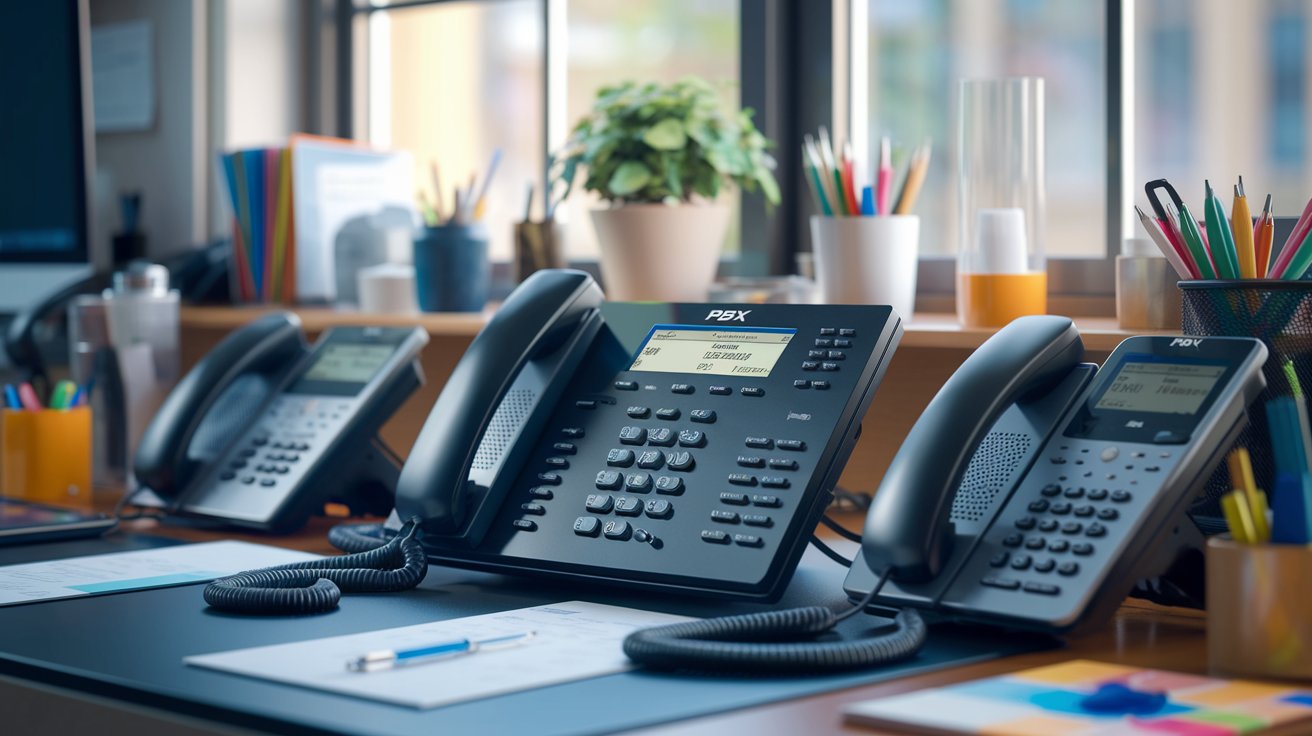
A PBX system (Private Branch Exchange) is a private telephone network that allows businesses to manage internal and external communications efficiently. This business phone system connects multiple extensions within an organization while providing access to outside phone lines, enabling features like call routing, voicemail, and conferencing that traditional phone systems cannot offer.
What is a PBX System and How Does It Work
A PBX phone system functions as the central hub for all business communications, managing incoming and outgoing calls through a sophisticated switching mechanism. When someone calls your business, the PBX system receives the call and routes it to the appropriate extension based on predetermined rules or user input through an automated attendant.
The system operates by connecting to the public switched telephone network (PSTN) through trunk lines, while internally managing multiple extensions through a central control unit. Modern PBX systems can handle hundreds of simultaneous calls and provide advanced features like call forwarding, hold music, conference calling, and detailed call reporting that help businesses maintain professional communication standards.
The Three Types of PBX Systems
Understanding the three types of PBX systems available in 2025 is crucial for selecting the right solution for your business needs. Each type offers distinct advantages and serves different organizational requirements based on size, budget, and technical capabilities.
Traditional Analog PBX Phone System
An Analog PBX phone system represents the original PBX technology, using traditional copper wiring and circuit-switched connections. These systems require significant on-premises hardware installation and maintenance, making them suitable for large enterprises with dedicated IT staff. While reliable and secure, analog PBX systems typically cost between $1,000-$5,000 per user in initial setup, with ongoing maintenance expenses averaging $200-$400 per extension annually in the United States.
IP-PBX Systems
IP-PBX systems utilize internet protocol technology to transmit voice communications over data networks, offering greater flexibility and cost-effectiveness than analog alternatives. These PBX phone systems can be deployed on-premises or in the cloud, supporting both traditional phones and softphone applications. Businesses typically save 30-50% on long-distance calls with IP-PBX systems, while gaining access to advanced features like video conferencing, instant messaging, and mobile integration.
Hosted PBX Solutions
A Hosted PBX solution operates entirely in the cloud, eliminating the need for on-premises hardware while providing enterprise-grade features through a subscription model. Service providers maintain all equipment and software updates, making hosted PBX ideal for small to medium businesses seeking professional communication capabilities without significant capital investment. Monthly costs typically range from $20-$50 per user, including features like auto-attendant, voicemail-to-email, and mobile apps.
What is a PBX System Used For
Businesses use PBX systems primarily to streamline communication operations, reduce telephone costs, and enhance professional image through advanced call management features. The system serves as the backbone for all voice communications, enabling employees to transfer calls seamlessly, access voicemail remotely, and participate in conference calls without external services.
Modern PBX applications extend beyond basic calling to include customer relationship management integration, call analytics, and automated routing based on business rules. Companies report 25-40% improvements in call handling efficiency and customer satisfaction scores when implementing comprehensive PBX phone systems with proper training and configuration.
The Many Functions of a PBX System
PBX systems provide extensive functionality that transforms basic telephone service into a comprehensive communication platform. Core functions include call routing, where incoming calls are automatically directed to appropriate departments or individuals based on dialed extensions, time of day, or caller ID information.
Call Management Features
Advanced call management encompasses features like call holding, call parking, and call queuing that ensure no customer calls are lost during busy periods. PBX phone systems can automatically distribute calls among available agents, provide estimated wait times to callers, and offer callback options when hold times exceed predetermined thresholds. These features are particularly valuable for customer service operations and sales departments.
Communication Integration
Modern PBX systems integrate voice communications with email, instant messaging, and video conferencing platforms to create unified communication environments. Users can access voicemail messages through email, initiate calls from customer relationship management software, and seamlessly switch between communication modes during customer interactions. This integration improves productivity and ensures consistent customer experiences across all touchpoints.
Difference Between VoIP and PBX
The key distinction between VoIP and PBX lies in their fundamental technology approaches and deployment methods. VoIP (Voice over Internet Protocol) refers specifically to the technology that transmits voice communications over internet connections, while PBX describes the switching system that manages multiple phone lines and extensions within an organization.
A PBX system can utilize either traditional analog technology or VoIP technology for call transmission, making VoIP a component rather than an alternative to PBX functionality. Many businesses combine both technologies through IP-PBX systems that leverage VoIP for cost savings while maintaining PBX switching capabilities for advanced call management and routing features.
Are PBX Systems Still Used in 2025
PBX systems remain highly relevant and widely adopted across industries in 2025, with over 65% of U.S. businesses utilizing some form of PBX technology for their communication needs. The evolution toward cloud-based and hybrid PBX solutions has revitalized the market, offering scalability and advanced features that traditional phone systems cannot match.
Modern PBX phone systems have adapted to remote work environments by supporting mobile applications, softphones, and integration with popular collaboration platforms. Market research indicates that PBX system adoption is growing at 8-12% annually, driven by businesses seeking professional communication capabilities and cost-effective alternatives to traditional telephone services.
PBX Phone System for Small Business
Small businesses benefit significantly from PBX phone systems that provide enterprise-level communication features without requiring substantial capital investment or technical expertise. Cloud-based PBX solutions are particularly attractive for small businesses, offering professional auto-attendants, call forwarding, and voicemail systems at affordable monthly rates.
Implementation costs for small business PBX systems typically range from $15-$35 per user monthly for hosted solutions, while on-premises systems may require $500-$1,500 per extension in initial investment. Small businesses report improved customer service ratings and increased operational efficiency after implementing PBX systems, with many noting that professional call handling capabilities enhance their market credibility.
PBX System Diagram and Architecture
A typical PBX system diagram illustrates the central switching unit connected to external trunk lines for outside communication and internal extensions for employee phones. The architecture includes components like the main control unit, line cards for connecting phones, trunk cards for external lines, and often a computer interface for system programming and call reporting.
Modern IP-PBX architectures replace traditional hardware components with software-based switching, utilizing servers and network equipment to manage communications. This evolution allows for more flexible PBX phone system configurations, easier scalability, and integration with other business applications through standardized network protocols and application programming interfaces.
PBX Telephone System Price and Cost Considerations
PBX Telephone system price varies significantly based on deployment method, feature requirements, and organization size. Traditional on-premises systems typically cost $1,000-$3,000 per extension including hardware, installation, and initial configuration, while hosted solutions range from $20-$60 per user monthly with minimal upfront costs.
Ongoing operational expenses include maintenance contracts for on-premises systems averaging $150-$300 per extension annually, while cloud-based PBX systems include all maintenance and updates in monthly subscription fees. Businesses should also consider training costs, integration expenses, and potential productivity gains when evaluating total cost of ownership for PBX implementations.
Related video about what is a pbx system
This video complements the article information with a practical visual demonstration.
What you should know
What is a PBX system used for?
A PBX system is used for managing business phone communications, including routing incoming calls to appropriate extensions, enabling call transfers, providing voicemail services, and supporting conference calling. It serves as the central hub for all voice communications within an organization while connecting to external phone networks.
Are PBX systems still used?
Yes, PBX systems are still widely used in 2025, with over 65% of U.S. businesses utilizing some form of PBX technology. Modern systems have evolved to include cloud-based solutions, mobile integration, and unified communications features that make them more relevant than ever for business communications.
What is the difference between VoIP and PBX?
VoIP is the technology that transmits voice over internet connections, while PBX is the switching system that manages multiple phone lines and extensions. A PBX system can use either traditional analog technology or VoIP technology, with many modern systems combining both through IP-PBX solutions.
What are the three types of PBX?
The three main types of PBX systems are: Traditional Analog PBX using copper wiring, IP-PBX systems that utilize internet protocol technology, and Hosted PBX solutions that operate entirely in the cloud. Each type offers different advantages based on business size, budget, and technical requirements.
How much does a PBX telephone system cost?
PBX system costs vary by type: traditional on-premises systems cost $1,000-$3,000 per extension with ongoing maintenance of $150-$300 annually, while hosted PBX solutions range from $20-$60 per user monthly with no upfront hardware costs. Small businesses typically choose hosted solutions for affordability and ease of management.
What is PBX in front office operations?
In front office operations, a PBX system manages all incoming customer calls, routes them to appropriate departments or staff members, provides professional auto-attendant services, and enables features like call holding, transferring, and conference calling. This ensures efficient customer service and professional business communications.
| PBX Type | Initial Cost | Best For |
|---|---|---|
| Traditional Analog | $1,000-$3,000 per extension | Large enterprises with IT staff |
| IP-PBX | $500-$1,500 per extension | Medium to large businesses |
| Hosted PBX | $20-$60 per user monthly | Small to medium businesses |