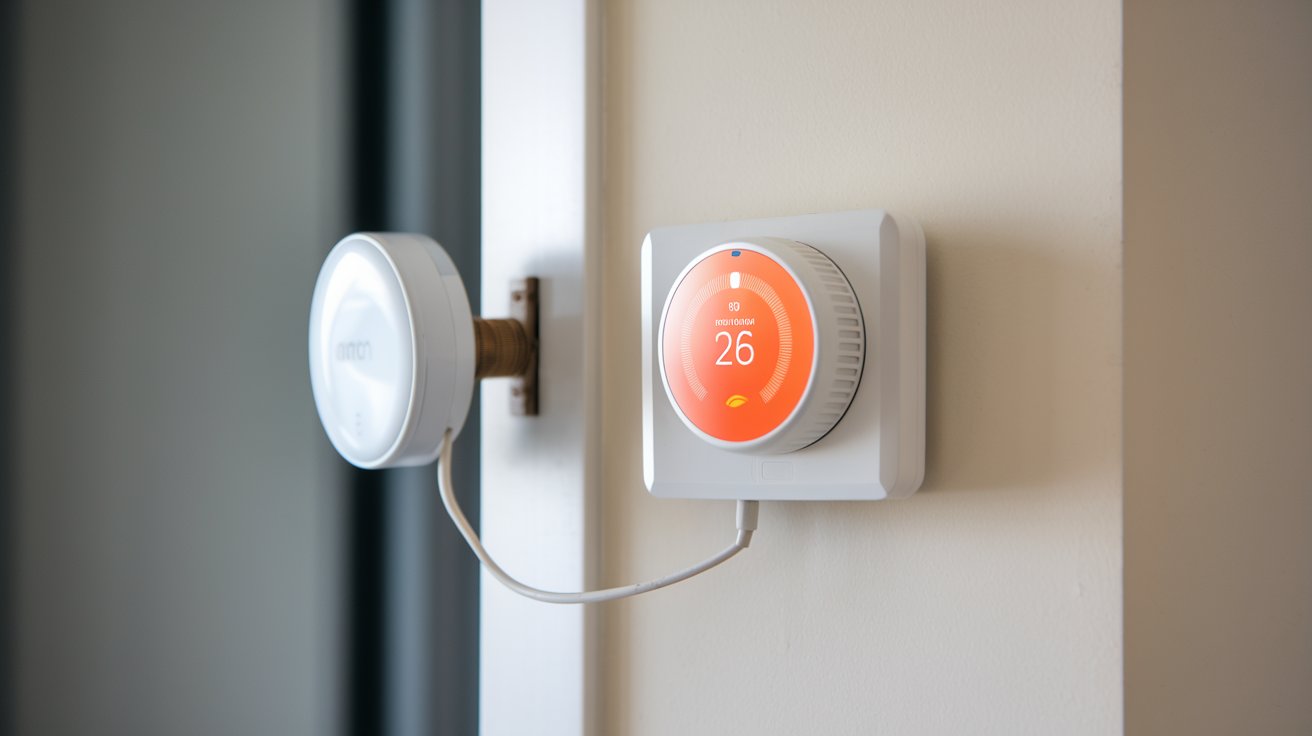
Remote temperature monitoring allows you to monitor your house temperature from anywhere in the world using WiFi-connected sensors and smartphone apps. With the rapid advancement of IoT technology in 2024-2025, homeowners can now protect their property from extreme temperatures, prevent costly damage, and maintain optimal comfort levels even when away from home.
How Remote Temperature Monitoring Works
Modern remote temperature monitoring systems use wireless sensors connected to your home network to continuously track environmental conditions. These smart devices collect temperature data every few minutes and transmit the information to cloud-based servers, allowing you to check temperature remotely through smartphone apps or web portals. The sensors typically feature battery backup systems and can operate independently for months without maintenance.
The monitoring process involves three key components: the temperature sensor, wireless connectivity (WiFi or cellular), and a user interface. When temperatures exceed your preset thresholds, the system sends instant alerts to your phone, enabling immediate response to potential issues. Advanced systems can integrate with smart home platforms like Alexa or Google Assistant for voice-controlled monitoring.
Best Remote Temperature Monitoring Options in 2025
The market offers diverse solutions for remote temperature monitoring via internet, ranging from simple WiFi thermometers to comprehensive environmental monitoring systems. Leading manufacturers like SensorPush, Govee, and Temp Stick have released updated models in 2024 with enhanced accuracy and longer battery life. Professional-grade systems offer multiple sensor capabilities, measuring temperature, humidity, and even air pressure simultaneously.
WiFi Temperature Sensors for Freezers
Specialized WiFi temperature sensors for freezers are designed to withstand extreme cold conditions while maintaining reliable connectivity. These sensors typically feature temperature ranges from -40°F to 125°F (-40°C to 52°C) and are essential for protecting valuable food inventory, medications, or research samples. Many models include glycol-filled probes for accurate readings in freezing environments and offer customizable alert thresholds for different storage requirements.
Best WiFi Temperature and Humidity Sensors
The best WiFi temperature and humidity sensor options in 2025 combine precision measurement with user-friendly interfaces and extended wireless range. Top-rated models like the SensorPush HT1 and Govee H5075 offer accuracy within ±0.3°F for temperature and ±3% for humidity. These sensors provide historical data tracking, exportable reports, and integration with popular smart home ecosystems for comprehensive environmental control.
Remote Temperature Monitoring Without WiFi
Many situations require temperature monitoring remotely without WiFi, such as remote locations, construction sites, or areas with unreliable internet connectivity. Cellular-based temperature monitors use 4G/5G networks to transmit data directly to cloud servers, eliminating dependence on local WiFi networks. These systems often include solar charging capabilities and ruggedized enclosures for outdoor applications.
Alternative solutions include LoRaWAN sensors for long-range, low-power monitoring and satellite-connected devices for truly remote locations. Battery-powered sensors can store months of data locally and sync when connectivity becomes available, ensuring no temperature events are missed even during network outages.
Remote Temperature Monitoring via Cell Phone Apps
Modern smartphone applications have transformed how we monitor temperature remotely via cell phone, offering intuitive interfaces and powerful alert systems. Leading apps like SensorPush, Govee Home, and Smart Life provide real-time temperature displays, historical graphs, and customizable notification settings. These applications typically support multiple sensor connections, allowing comprehensive monitoring of different rooms or locations from a single interface.
Advanced features in 2025 apps include predictive analytics, automated HVAC integration, and energy usage optimization. Many apps now offer widget support for quick temperature checks directly from your phone’s home screen and Apple Watch compatibility for convenient monitoring on-the-go.
How to Monitor House Temperature When Away
Learning how to monitor house temperature when away requires selecting the right combination of sensors, connectivity, and monitoring strategy. Place sensors in critical areas like basements, attics, and rooms with valuable items or plants. Ensure adequate WiFi coverage throughout your home and consider mesh network extenders for larger properties.
Establish temperature thresholds based on your specific needs: typically 65-75°F for living spaces, 32-40°F for basements, and specific ranges for wine cellars or art collections. Configure multiple alert methods including SMS, email, and push notifications to ensure you receive warnings even if one communication method fails.
Setting Up Temperature Alerts and Thresholds
Proper alert configuration is crucial for effective home remote temperature monitoring. Set conservative thresholds initially and adjust based on your home’s normal temperature fluctuations. Consider seasonal variations and heating system characteristics when establishing minimum and maximum acceptable temperatures. Most systems allow different thresholds for different times of day or week.
Monitoring Multiple Locations Simultaneously
Advanced users often need to monitor temperature remotely across multiple properties or rooms simultaneously. Cloud-based platforms typically support unlimited sensor connections, allowing comprehensive monitoring of vacation homes, rental properties, or different zones within large residences. Organize sensors by location and establish naming conventions for easy identification during emergency situations.
Professional Remote Temperature Monitoring Systems
Commercial and professional remote temperature monitoring solutions offer enhanced reliability, accuracy, and compliance features for critical applications. These systems typically include redundant sensors, backup power systems, and integration with building management systems. Professional installations often require calibration certificates and provide detailed audit trails for regulatory compliance.
Industries like healthcare, food service, and pharmaceuticals rely on professional-grade monitoring systems that meet FDA and HACCP requirements. These systems feature 24/7 monitoring services, automatic data logging, and immediate emergency response protocols when temperature excursions occur.
Troubleshooting Remote Temperature Monitoring Issues
Common challenges with remote temperature monitoring include connectivity issues, sensor calibration drift, and false alarms. WiFi interference from other devices, weak signal strength, and router compatibility can affect data transmission reliability. Regular sensor calibration using certified reference thermometers ensures continued accuracy over time.
Battery management is crucial for wireless sensors, with most requiring replacement every 6-12 months depending on transmission frequency and environmental conditions. Keep spare batteries available and monitor battery status through your monitoring app to prevent unexpected sensor failures.
Cost Analysis and ROI of Remote Temperature Monitoring
The investment in remote temperature monitoring systems typically pays for itself through prevention of costly damage and energy savings. Basic WiFi sensors cost $50-150, while professional systems range from $500-2000 depending on features and number of sensors. Consider the potential costs of frozen pipes, spoiled food, or HVAC system damage when evaluating system value.
Energy savings from optimized heating and cooling can reduce utility bills by 10-20% annually. Insurance companies increasingly offer discounts for homes with environmental monitoring systems, recognizing their role in preventing weather-related claims. The peace of mind value for frequent travelers or property owners is immeasurable.
Future Trends in Remote Temperature Monitoring
The future of remote temperature monitoring includes artificial intelligence integration, predictive maintenance capabilities, and enhanced automation features. AI-powered systems will learn your preferences and automatically adjust settings based on occupancy patterns, weather forecasts, and energy pricing. Integration with smart grid technology will enable dynamic load balancing and demand response participation.
Edge computing capabilities in next-generation sensors will enable faster response times and reduced dependence on cloud connectivity. Enhanced security features including encryption and blockchain verification will protect sensitive environmental data from cyber threats. Expect continued miniaturization and improved battery life as sensor technology advances.
Related video about remote temperature monitoring
This video complements the article information with a practical visual demonstration.
FAQ – Common Questions
How can I monitor my home temperature remotely?
You can monitor your home temperature remotely using WiFi-connected sensors paired with smartphone apps. These systems send real-time temperature data to your phone and provide instant alerts when temperatures exceed preset thresholds. Popular options include SensorPush, Govee, and Temp Stick sensors that connect to your home WiFi network.
How to monitor house temperature when away?
To monitor house temperature when away, install WiFi temperature sensors in critical areas like basements, attics, and main living spaces. Configure the accompanying mobile app with appropriate temperature thresholds and enable multiple alert methods including SMS and email notifications to ensure you receive warnings wherever you are.
Is it possible to use your phone as a thermometer?
While smartphones have internal temperature sensors, they are designed to monitor device temperature, not ambient air temperature. These internal sensors are affected by the phone’s heat generation and are not accurate for measuring room temperature. Dedicated external sensors connected via WiFi provide much more accurate environmental temperature readings.
Can I check the temperature in my house with my phone?
Yes, you can check your house temperature with your phone by using WiFi temperature sensors connected to monitoring apps. These sensors continuously measure ambient temperature and transmit data to your smartphone app, allowing you to view current temperatures, historical data, and receive alerts from anywhere with internet connectivity.
What is the best remote temperature monitor for freezers?
The best remote temperature monitors for freezers are specifically designed for extreme cold environments, featuring temperature ranges from -40°F to 125°F. Top options include the Temp Stick and SensorPush sensors with glycol-filled probes that provide accurate readings in freezing conditions and send immediate alerts if temperatures rise above safe storage levels.
How does remote temperature monitoring work without WiFi?
Remote temperature monitoring without WiFi uses cellular networks (4G/5G) or LoRaWAN technology to transmit data directly to cloud servers. Cellular-based monitors include built-in SIM cards and data plans, while LoRaWAN sensors use long-range, low-power networks. These solutions are ideal for remote locations, construction sites, or areas with unreliable internet connectivity.
| Monitoring Method | Best Use Case | Key Advantage |
|---|---|---|
| WiFi Temperature Sensors | Home monitoring with reliable internet | Real-time alerts and historical data |
| Cellular-Based Monitors | Remote locations without WiFi | Independent connectivity anywhere |
| Professional Systems | Commercial and critical applications | Regulatory compliance and 24/7 monitoring |
| Smartphone Apps | User-friendly monitoring interface | Convenient access and customizable alerts |