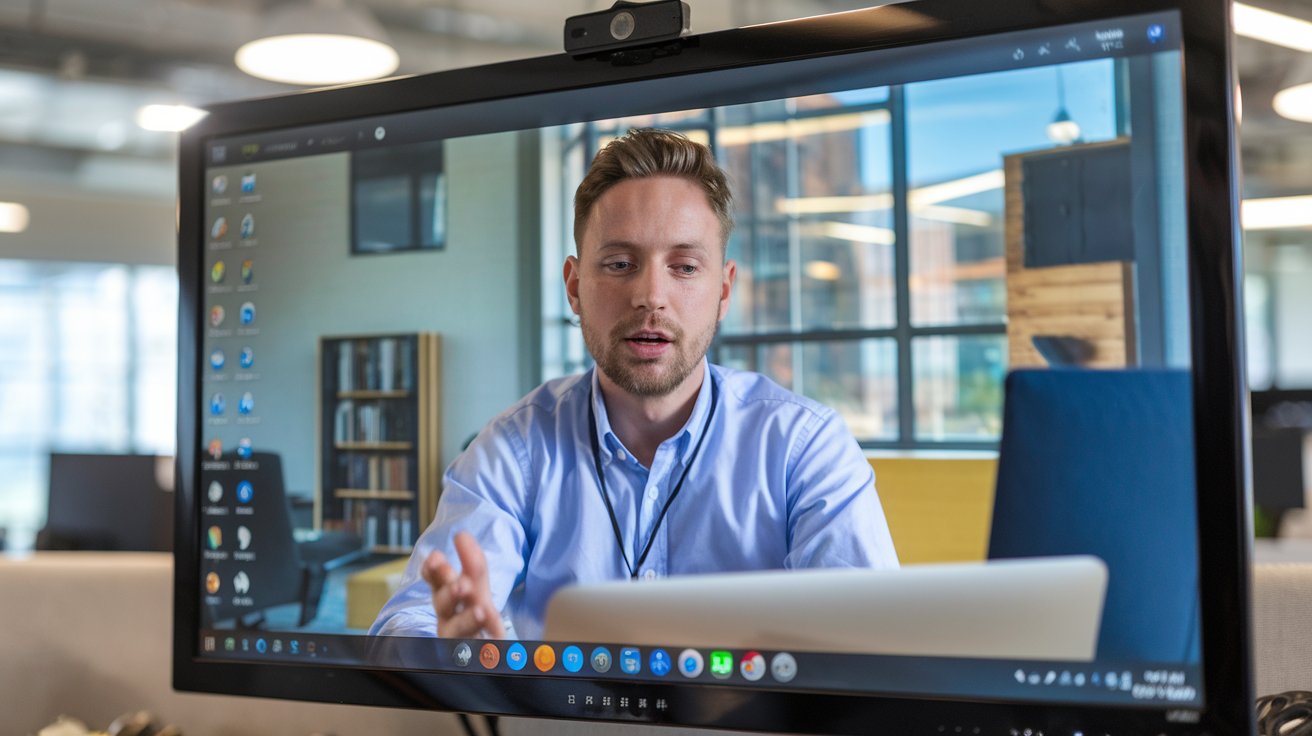
Remote IT support services provide comprehensive technical assistance through virtual connections, enabling businesses to resolve computer, network, and software issues without on-site visits. These services offer cost-effective solutions that can reduce IT expenses by up to 60% while providing 24/7 support coverage for organizations across the United States.
What Are Remote IT Support Services
Remote IT support services encompass technical assistance delivered through internet connections, phone support, and specialized software tools. These services enable IT specialists to diagnose, troubleshoot, and resolve technology issues without physically accessing your equipment. Modern remote support platforms utilize secure connections to access computers, servers, and network infrastructure safely.
The remote support industry has experienced unprecedented growth, with the market expanding from $3.2 billion in 2019 to over $8.9 billion by 2024. This growth reflects businesses’ increasing reliance on digital infrastructure and the proven effectiveness of virtual IT assistance in maintaining operational continuity.
Core Components of Remote IT Support
Remote desktop access forms the foundation of modern IT support, allowing technicians to control computers and servers securely. Additional components include network monitoring tools, automated patch management systems, and comprehensive help desk platforms that track issues from initial report to final resolution.
Technology Behind Remote Support
Advanced remote access software utilizes encrypted connections and multi-factor authentication to ensure security during support sessions. Popular platforms include TeamViewer, LogMeIn, and ConnectWise, which provide screen sharing, file transfer capabilities, and session recording for quality assurance purposes.
Remote IT Support Pricing and Cost Structure
Remote IT support costs vary significantly based on service level, response time requirements, and business size. Per-hour rates typically range from $75 to $200 for specialized support, while managed service agreements offer more predictable monthly pricing between $100 to $500 per user depending on service comprehensiveness.
Small businesses often find flat-rate monthly plans most cost-effective, with basic packages starting around $99 per month for up to 10 users. Enterprise-level organizations frequently negotiate custom pricing structures that include unlimited support hours, priority response times, and dedicated account management.
Hourly Rate Breakdown by Service Type
Basic troubleshooting services typically cost $75-$125 per hour, while specialized tasks like server configuration or security implementations range from $150-$250 per hour. Emergency after-hours support commands premium rates, often 1.5 to 2 times standard hourly charges.
Monthly Service Plan Options
Managed service providers offer tiered monthly plans designed for different business sizes and needs. Starter plans include basic help desk support and monitoring, while comprehensive packages feature proactive maintenance, security management, and strategic IT consulting services.
What Does a Remote IT Specialist Do
A remote IT specialist performs comprehensive technical support duties including system diagnostics, software installation, security updates, and user training through virtual connections. These professionals typically handle 15-25 support tickets daily, resolving 70-80% of issues without requiring on-site visits.
Daily responsibilities include monitoring network performance, implementing security patches, managing user accounts, and providing technical guidance to employees. Remote specialists also conduct regular system maintenance, backup verification, and performance optimization to prevent issues before they impact business operations.
Technical Skills and Certifications
Professional remote IT specialists typically hold industry certifications including CompTIA A+, Network+, Security+, and Microsoft or Cisco specializations. Many possess bachelor’s degrees in information technology, computer science, or related fields, combined with 3-7 years of hands-on experience.
Daily Tasks and Responsibilities
Remote support specialists manage ticket queues, conduct system health checks, perform software updates, and provide user education through screen sharing sessions. They also maintain detailed documentation of issues and resolutions to improve future support efficiency.
Companies That Hire Remote IT Support
Major technology companies including Microsoft, IBM, Dell Technologies, and HP Enterprise actively recruit remote IT support professionals. These organizations offer competitive salaries ranging from $45,000 to $95,000 annually, with opportunities for career advancement and specialized training programs.
Growing sectors like healthcare, finance, and e-commerce increasingly rely on remote IT support teams to maintain their technology infrastructure. Companies such as Salesforce, Shopify, and various healthcare networks have expanded their remote support capabilities significantly throughout 2024.
Top Remote IT Support Employers
Leading employers include managed service providers like ConnectWise, Kaseya, and SolarWinds MSP, along with major corporations such as Amazon Web Services, Google Cloud, and Accenture. These companies offer comprehensive benefits packages and professional development opportunities.
Industry Sectors With High Demand
Healthcare organizations represent the fastest-growing segment for remote IT support, followed by financial services, educational institutions, and retail companies. These sectors require specialized compliance knowledge and 24/7 availability to maintain critical systems.
Benefits of Remote IT Support Services
Cost reduction represents the primary benefit, with businesses typically saving 40-60% compared to maintaining full-time on-site IT staff. Remote support also provides access to specialized expertise that might be unavailable locally, enabling small businesses to leverage enterprise-level technical knowledge.
Enhanced response times constitute another significant advantage, with remote support providers often resolving issues within 15-30 minutes versus hours or days required for on-site visits. This improved efficiency minimizes downtime and maintains productivity levels across the organization.
Can You Do IT Support Remotely – Technical Capabilities
Remote IT support capabilities have expanded dramatically with advances in cloud computing and remote access technologies. Modern tools enable specialists to perform approximately 85% of traditional IT tasks remotely, including software installation, system configuration, troubleshooting, and user training.
However, certain tasks still require physical presence, such as hardware replacement, cable installation, and initial server setup. Hybrid support models combine remote assistance with occasional on-site visits to provide comprehensive coverage while maintaining cost efficiency.
Tasks Performed Remotely
Remote capabilities include software troubleshooting, virus removal, system optimization, backup management, and user account administration. Specialists can also configure network settings, install applications, and provide comprehensive user training through screen sharing and video conferencing.
Limitations of Remote Support
Physical hardware issues require on-site intervention, including component replacement, printer setup, and network cable installation. Additionally, initial system deployments and complex server configurations may necessitate local technical expertise to ensure proper implementation.
Choosing the Right Remote IT Support Provider
Selecting the optimal remote IT support provider requires evaluating response times, technical expertise, security protocols, and service level agreements. Leading providers maintain average response times under 4 hours for standard issues and offer 24/7 emergency support for critical systems.
Key evaluation criteria include industry certifications, customer references, scalability options, and pricing transparency. Reputable providers offer detailed service level agreements outlining response times, resolution targets, and escalation procedures to ensure consistent service delivery.
Related video about remote it support services
This video complements the article information with a practical visual demonstration.
Important things to know about remote it support services
Can you do IT support remotely?
Yes, approximately 85% of IT support tasks can be performed remotely using secure connection tools. Remote specialists can troubleshoot software issues, install programs, configure settings, remove viruses, and provide user training through screen sharing. However, hardware replacements and initial equipment setup typically require on-site visits.
How much should you charge per hour for IT support?
Remote IT support rates typically range from $75-$200 per hour depending on complexity and specialization. Basic troubleshooting costs $75-$125 per hour, while specialized services like security implementation or server configuration range from $150-$250 per hour. Emergency after-hours support commands premium rates of 1.5-2 times standard charges.
What does a remote IT specialist do?
Remote IT specialists provide comprehensive technical support including system diagnostics, software installation, security updates, network monitoring, and user training through virtual connections. They typically handle 15-25 support tickets daily, perform regular maintenance, manage backups, and resolve 70-80% of issues without on-site visits.
What companies often hire remote IT support?
Major technology companies like Microsoft, IBM, Dell Technologies, and HP Enterprise actively hire remote IT support professionals. Growing sectors including healthcare organizations, financial services, e-commerce companies, and managed service providers like ConnectWise and Kaseya offer competitive salaries ranging from $45,000-$95,000 annually for remote positions.
What are the main benefits of remote IT support services?
Remote IT support services provide 40-60% cost savings compared to on-site staff, faster response times averaging 15-30 minutes, access to specialized expertise, and 24/7 availability. These services enable businesses to maintain enterprise-level technical support while reducing overhead costs and minimizing system downtime.
Is remote IT support secure for business data?
Modern remote IT support uses enterprise-grade security including encrypted connections, multi-factor authentication, and session monitoring. Reputable providers comply with industry standards like SOC 2, HIPAA, and PCI DSS. All remote sessions are logged and recorded for security auditing and quality assurance purposes.
| Service Aspect | Key Details | Business Benefit |
|---|---|---|
| Cost Structure | $75-$200/hour or $100-$500/user monthly | 40-60% cost reduction vs on-site staff |
| Response Time | 15-30 minutes average resolution | Minimized downtime and productivity loss |
| Coverage | 85% of IT tasks performed remotely | Comprehensive support with minimal limitations |
| Availability | 24/7 monitoring and emergency support | Continuous system protection and reliability |