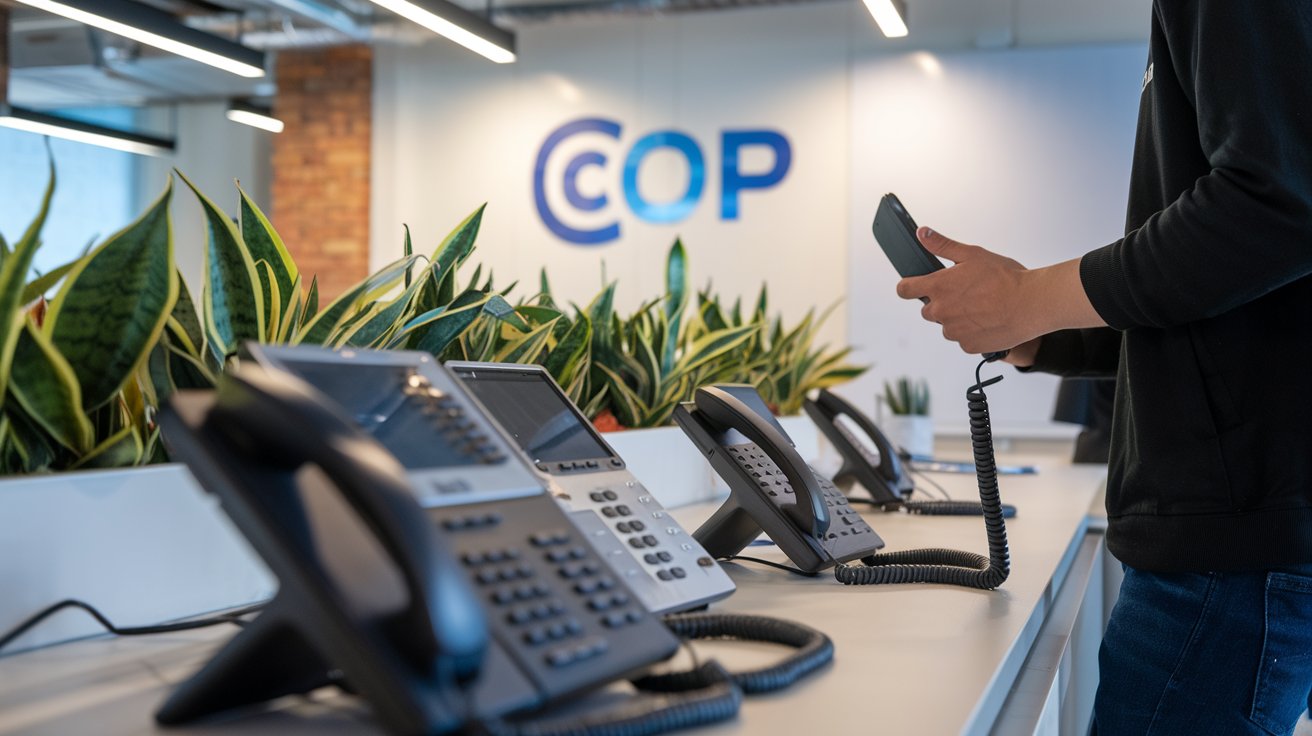
Professional business phone system installation transforms your company’s communication infrastructure, typically costing between $15-150 per employee depending on system complexity. Modern installations combine traditional landline systems with advanced VoIP technology, offering multi-line capabilities, automated features, and seamless integration with existing business tools for enhanced productivity.
How Much Does Business Phone System Installation Cost in 2025
The business phone system installation cost varies significantly based on system type, company size, and feature requirements. Basic landline systems for small businesses typically range from $500-$2,000 total installation, while comprehensive VoIP solutions can cost $2,000-$10,000 or more for medium enterprises. Per-employee costs generally fall between $15-150, with additional monthly service fees ranging from $20-80 per line.
Installation labor costs represent 20-40% of total project expenses, with certified technicians charging $75-150 per hour in major US markets. Free business phone system installation promotions are available from many providers but often require multi-year service contracts or minimum monthly spending commitments that may increase long-term costs.
Small Business Installation Cost Breakdown
For companies with 5-20 employees, office phone systems for small business installation typically costs $1,500-$4,000 including equipment and setup. Basic multi-line systems start around $800, while advanced VoIP installations with features like call routing, voicemail-to-email, and mobile integration reach $3,500-$5,000 for complete deployment.
Enterprise Installation Investment
Large organizations with 100+ employees should budget $10,000-$50,000 for comprehensive business phone system installation projects. Enterprise-grade systems include advanced call center functionality, integration with CRM platforms, disaster recovery features, and extensive reporting capabilities that justify higher investment levels.
Best Phone Systems for Small Business Installation
The best phone system for small business depends on specific operational needs, budget constraints, and growth projections. Cloud-based VoIP systems like RingCentral, 8×8, and Nextiva dominate the market due to scalability, advanced features, and lower upfront costs compared to traditional PBX systems. These platforms offer professional installation services with typical deployment times of 2-5 business days.
Landline business phone systems remain relevant for companies requiring maximum reliability, especially in areas with inconsistent internet connectivity. Hybrid solutions combining traditional landlines with VoIP capabilities provide the best of both worlds, offering redundancy while enabling modern features like mobile app integration and remote work support.
VoIP System Installation Benefits
Modern VoIP installation provides immediate access to advanced features including auto-attendant, call forwarding, conference calling, and detailed analytics. These systems integrate seamlessly with popular business applications like Microsoft Teams, Salesforce, and Google Workspace, creating unified communication ecosystems that boost productivity.
Traditional PBX Installation Considerations
On-premise PBX systems require more extensive installation processes but offer complete control over communication infrastructure. These systems work best for established businesses with dedicated IT support and specific compliance requirements that cloud solutions cannot address.
Professional Installation Process and Setup Steps
Professional business phone system installation follows a structured approach beginning with comprehensive site assessment and network evaluation. Certified technicians analyze existing infrastructure, internet bandwidth, and electrical requirements to ensure optimal system performance. The installation timeline typically spans 1-3 days for small businesses and up to 2 weeks for complex enterprise deployments.
Initial setup includes configuring multi line phone systems small business requirements such as department-specific routing, employee extensions, voicemail boxes, and integration with existing business tools. Technicians also provide comprehensive training on system features, administrative functions, and troubleshooting procedures to ensure smooth transition and maximum utilization.
Finding Business Phone Service Providers Near You
Locating qualified business phone service providers in my area requires evaluating multiple factors including local support availability, installation expertise, and ongoing maintenance capabilities. Major national providers like Verizon Business, AT&T, and Comcast Business maintain extensive local networks with certified installation teams in most US markets.
Regional providers often offer more personalized service and competitive pricing for business phone system installation near me searches. These companies typically provide faster response times for support issues and more flexible contract terms tailored to local business needs and market conditions.
Evaluating Local Installation Teams
Quality installation teams possess manufacturer certifications, insurance coverage, and proven track records in your specific system type. Request references from recent installations and verify licensing requirements in your state to ensure professional standards and accountability.
Regional vs National Provider Benefits
National providers offer standardized installation processes and extensive technical resources, while regional companies provide personalized attention and often more competitive pricing for smaller deployments. Consider your priority between scale benefits and local relationship building when selecting providers.
Multi-Line Phone System Installation Requirements
Multi line phone systems small business installations require careful planning of line distribution, department assignments, and call flow management. Modern systems support 10-100+ simultaneous calls with sophisticated routing capabilities that direct calls based on time of day, caller ID, or department requirements.
Network infrastructure assessment becomes critical for VoIP-based multi-line systems, ensuring adequate bandwidth allocation of 100kbps per concurrent call plus 20% overhead for optimal quality. Professional installers configure Quality of Service (QoS) settings prioritizing voice traffic over other network activities to prevent call quality degradation during peak usage periods.
Equipment and Infrastructure Setup
Modern business phone system installation involves both hardware placement and software configuration depending on chosen system architecture. Cloud-based solutions primarily require desktop phones, network switches, and internet connectivity, while on-premise systems need PBX cabinets, dedicated server rooms, and extensive cabling infrastructure.
Power backup solutions are essential for maintaining communication during outages, with uninterruptible power supply (UPS) systems recommended for critical components. Professional installations include proper cable management, equipment rack setup, and environmental controls ensuring system longevity and reliable operation throughout varying conditions.
Network Configuration Requirements
VoIP system installation demands specific network configurations including VLAN setup for voice traffic separation, firewall rule modifications, and router Quality of Service programming. These technical requirements ensure crystal-clear call quality and prevent security vulnerabilities common in improperly configured systems.
Equipment Placement and Wiring
Strategic equipment placement optimizes signal strength and accessibility while meeting building codes and safety regulations. Professional installers consider factors like electromagnetic interference, climate control access, and future expansion capabilities when positioning system components throughout your facility.
Training and Support After Installation
Comprehensive training programs accompany professional business phone system installation projects, ensuring employees can utilize advanced features effectively. Training typically covers basic call handling, voicemail management, conference calling procedures, and mobile app integration for remote work capabilities.
Ongoing technical support arrangements vary by provider but should include 24/7 emergency response for critical system failures, regular maintenance visits, and software updates. Many providers offer tiered support plans with escalation procedures ensuring rapid resolution of issues that could impact business operations.
Common Installation Challenges and Solutions
Network compatibility issues represent the most frequent challenge in modern business phone system installation projects. Older buildings may lack adequate internet infrastructure for VoIP systems, requiring network upgrades or hybrid solutions combining traditional and digital technologies. Professional installers conduct thorough pre-installation assessments to identify and address these limitations proactively.
Integration with existing business software often requires custom configuration and API connections that extend installation timelines. However, successful integration dramatically improves workflow efficiency by enabling features like click-to-dial from CRM systems, automatic call logging, and unified messaging across all communication channels.
Related video about business phone system installation
This video complements the article information with a practical visual demonstration.
Everything you need to know about business phone system installation
How much does a business phone system cost to install?
Business phone system installation costs range from $500-$2,000 for small businesses with basic systems, up to $10,000-$50,000 for enterprise deployments. Per-employee costs typically fall between $15-150, with additional monthly service fees of $20-80 per line depending on features and provider.
How do I set up a small business phone system?
Setting up a small business phone system involves choosing between VoIP or traditional systems, selecting a qualified provider, conducting site assessment, installing equipment, configuring call routing and features, testing functionality, and training employees. Professional installation typically takes 2-5 business days.
What is the best phone system for a small business?
The best phone systems for small businesses are typically cloud-based VoIP solutions like RingCentral, 8×8, or Nextiva due to lower upfront costs, scalability, and advanced features. These systems offer professional installation, mobile integration, and comprehensive support suitable for growing businesses.
How much does phone installation cost?
Phone installation costs vary by system complexity and provider. Basic installations range from $200-800 for simple setups, while comprehensive business systems cost $1,000-5,000 including labor. Professional technicians charge $75-150 per hour, with most installations requiring 4-16 hours depending on system size.
Can I get free business phone system installation?
Many providers offer free installation promotions, but these typically require multi-year service contracts or minimum monthly spending commitments. While upfront installation costs are waived, total ownership costs may be higher due to extended contract obligations and limited feature flexibility.
How long does business phone system installation take?
Installation timelines vary by system complexity and business size. Small business VoIP systems typically require 1-2 days, traditional PBX systems need 2-5 days, and large enterprise deployments can take 1-2 weeks. Cloud-based systems generally have faster deployment times than on-premise solutions.
| Installation Type | Cost Range | Key Benefits |
|---|---|---|
| Small Business VoIP | $1,500-$4,000 | Scalability, advanced features, mobile integration |
| Traditional PBX | $3,000-$8,000 | Maximum reliability, complete control, compliance |
| Enterprise Systems | $10,000-$50,000 | Advanced analytics, CRM integration, disaster recovery |
| Hybrid Solutions | $2,000-$6,000 | Best of both worlds, redundancy, future-proof |