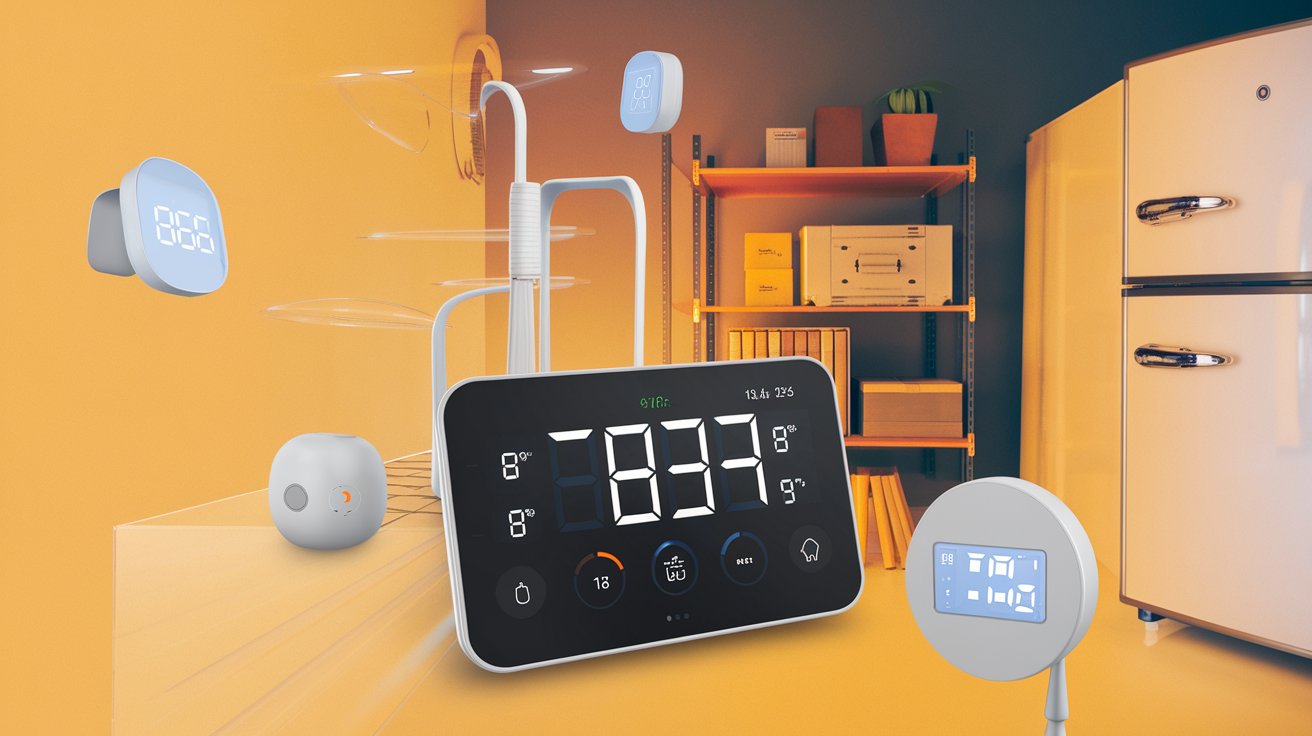
A remote temperature monitoring system allows you to track temperature conditions from anywhere using your smartphone or computer. These wireless devices provide real-time alerts, historical data, and peace of mind for homeowners, businesses, and industrial facilities across the United States in 2025.
Best Remote Temperature Monitoring Systems for 2025
The best remote temperature monitoring system depends on your specific needs, connectivity options, and monitoring requirements. In 2025, the top-rated systems combine advanced sensor technology with user-friendly mobile apps and reliable connectivity. Professional-grade systems like SensorPush, Temp Stick, and industrial solutions from Onset offer different features for various applications.
When selecting a wireless temperature monitoring system, consider factors like connectivity type, battery life, accuracy, range, and integration capabilities. The most effective systems provide real-time alerts, cloud storage, and seamless data export functionality for comprehensive temperature management.
Top Consumer Temperature Monitoring Devices
Consumer-focused temperature monitoring systems like SensorPush HT1 and Govee WiFi sensors offer excellent value for home applications. These devices typically cost between $50-150 and provide smartphone connectivity, customizable alerts, and historical data tracking with accuracy ratings of ±0.3°C or better.
Professional and Industrial Solutions
Professional wireless temperature sensor industrial systems from companies like Onset, Dickson, and Monnit offer enhanced durability, extended range, and enterprise-grade features. These solutions typically cost $200-800 per sensor but provide superior accuracy, longer battery life, and advanced data management capabilities suitable for commercial applications.
How to Monitor Your Home Temperature Remotely
To monitor your home temperature remotely, you need a WiFi-enabled temperature sensor connected to your home network and a compatible smartphone app. Most modern systems require a simple setup process involving device pairing, network configuration, and alert customization through the manufacturer’s mobile application.
The process begins with selecting an appropriate location for your WiFi temperature sensor for home use, ensuring adequate network coverage and representative temperature readings. Popular locations include living rooms, basements, attics, and near HVAC systems for optimal monitoring coverage.
Setting Up WiFi Temperature Sensors
WiFi temperature sensor setup involves downloading the manufacturer’s app, creating an account, and following the device pairing instructions. Most systems use 2.4GHz WiFi networks and require initial configuration within close proximity to your router before final placement throughout your home.
Smartphone App Features and Alerts
Modern remote temperature monitoring via cell phone apps provide real-time notifications, customizable temperature thresholds, historical data visualization, and export capabilities. Premium features often include data sharing, multiple sensor management, and integration with smart home platforms like Amazon Alexa and Google Home.
Remote Fridge Temperature Monitoring Solutions
To monitor your fridge temperature remotely, specialized refrigerator sensors designed for cold environments offer reliable performance in temperatures ranging from -40°F to 140°F. These devices prevent food spoilage, ensure compliance with health regulations, and provide immediate alerts for temperature deviations.
Commercial-grade fridge temperature monitoring systems are essential for restaurants, grocery stores, and pharmaceutical facilities in the United States. The FDA requires temperature logs for many food service operations, making remote monitoring systems valuable for regulatory compliance and operational efficiency.
Temperature Monitoring Without WiFi Options
For locations without reliable internet access, how to monitor temperature remotely without wifi involves cellular-based systems like Temp Stick and Monnit cellular sensors. These devices use 4G LTE networks to transmit data directly to cloud platforms, bypassing the need for local WiFi infrastructure.
Cellular temperature monitoring systems typically require monthly data plans costing $5-20 per month but provide reliable connectivity in remote locations, vacation homes, and industrial sites where WiFi coverage is unavailable or unreliable.
Cellular Network Coverage and Reliability
Major carriers like Verizon, AT&T, and T-Mobile provide extensive coverage for cellular temperature monitoring across the United States. These systems work effectively in rural areas, construction sites, and temporary installations where traditional internet connections are impractical.
Battery Life and Power Management
Cellular wireless temperature sensors typically offer 1-3 year battery life depending on transmission frequency and environmental conditions. Advanced power management features include sleep modes, adjustable reporting intervals, and low-battery alerts to ensure continuous monitoring without unexpected downtime.
Temperature and Humidity Monitoring Systems
Comprehensive remote temperature and humidity sensor systems provide dual monitoring capabilities essential for applications like wine storage, server rooms, greenhouses, and sensitive material storage. These combination sensors offer superior environmental control and prevent issues related to both temperature fluctuations and moisture levels.
Advanced temperature and humidity monitoring systems include features like dew point calculations, heat index measurements, and comfort level indicators. Popular models from SensorPush, Govee, and Onset provide accuracy ratings of ±2% RH for humidity and ±0.3°C for temperature measurements.
Industrial Temperature Monitoring Applications
Industrial facilities require robust wireless temperature sensor industrial systems capable of withstanding harsh environments while maintaining accurate measurements. These applications include manufacturing processes, cold storage facilities, pharmaceutical storage, and critical infrastructure monitoring where temperature control directly impacts product quality and safety.
Enterprise-grade monitoring systems offer features like multiple sensor networks, centralized dashboards, automated reporting, and integration with existing facility management systems. Compliance with industry standards like FDA 21 CFR Part 11 and ISO 9001 makes these solutions essential for regulated industries.
Regulatory Compliance and Documentation
Industrial temperature monitoring systems must provide comprehensive documentation, audit trails, and validation capabilities to meet regulatory requirements. Features include encrypted data transmission, user authentication, and tamper-evident logging for pharmaceutical, food service, and healthcare applications.
Scalability and Network Management
Large-scale deployments require wireless sensor networks with mesh connectivity, central management platforms, and automated maintenance features. These systems can support hundreds of sensors across multiple facilities while providing unified monitoring and alerting capabilities.
Cost Analysis and ROI of Remote Temperature Monitoring
The investment in a remote temperature monitoring system typically pays for itself through prevented losses, reduced energy costs, and improved operational efficiency. Home systems starting at $50-200 prevent costly HVAC repairs and energy waste, while commercial systems justify their $500-5000 cost through prevented spoilage and compliance automation.
Annual savings from effective temperature monitoring include reduced insurance claims, prevented product losses, optimized energy consumption, and automated compliance documentation. Many businesses report 200-400% ROI within the first year of implementation, particularly in temperature-sensitive industries.
Related video about remote temperature monitoring system
This video complements the article information with a practical visual demonstration.
What you should know
How can I monitor my home temperature remotely?
Install a WiFi-enabled temperature sensor connected to your home network and use the manufacturer’s smartphone app. Popular options include SensorPush, Govee, and Temp Stick devices that provide real-time monitoring, alerts, and historical data tracking from anywhere with internet access.
How can I monitor my fridge temperature remotely?
Use specialized refrigerator temperature sensors designed for cold environments, such as SensorPush HT1 or commercial-grade systems from Dickson. These devices work in freezing temperatures and send alerts when temperature thresholds are exceeded, preventing food spoilage.
What is the best wireless temperature monitoring system?
The best system depends on your needs: SensorPush HT1 for home use, Temp Stick for cellular connectivity, Govee for budget-friendly options, and Onset HOBO for industrial applications. Consider connectivity type, accuracy, range, and specific features when choosing.
Can my phone show room temperature?
Most smartphones don’t have built-in temperature sensors for ambient air measurement. You need external temperature monitoring devices with companion apps like SensorPush, Govee, or similar systems that connect to your phone via WiFi or Bluetooth to display room temperature.
How accurate are wireless temperature sensors?
Quality wireless temperature sensors typically offer accuracy within ±0.3°C to ±0.5°C. Professional-grade systems can achieve ±0.1°C accuracy. Factors affecting accuracy include calibration, environmental conditions, and sensor quality. Regular calibration ensures optimal performance.
Do remote temperature monitors work without internet?
Some systems work without WiFi using cellular connectivity like Temp Stick, which uses 4G networks. Others store data locally and sync when connectivity returns. Purely local systems with smartphone apps via Bluetooth have limited remote access capabilities.
| System Type | Key Features | Best Use Case |
|---|---|---|
| WiFi Sensors | Real-time alerts, smartphone apps, cloud storage | Home monitoring with reliable internet |
| Cellular Systems | No WiFi required, nationwide coverage, remote locations | Vacation homes, construction sites, rural areas |
| Industrial Sensors | High accuracy, regulatory compliance, scalability | Commercial facilities, manufacturing, healthcare |