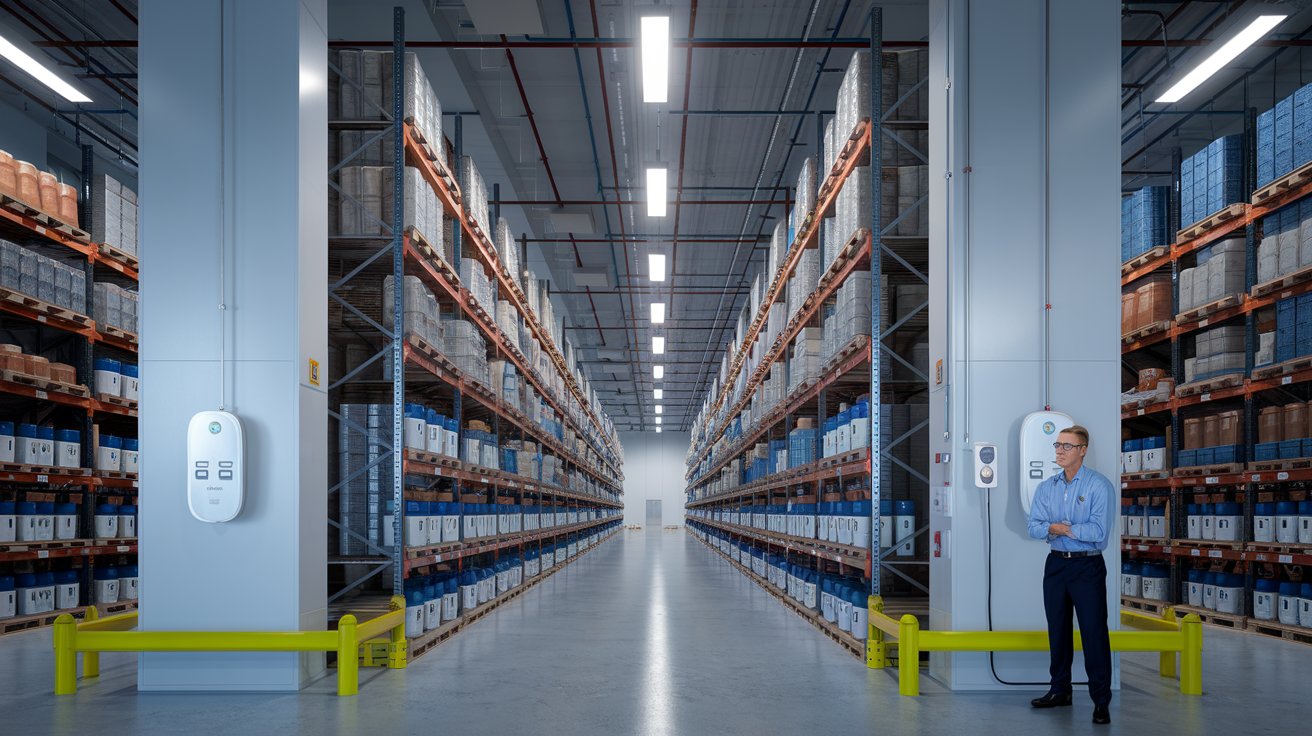
A warehouse temperature monitoring system is essential for maintaining product integrity and regulatory compliance in modern logistics operations. These automated systems continuously track environmental conditions, preventing costly inventory losses and ensuring your facility meets industry standards. With proper implementation, businesses can reduce spoilage by up to 40% while maintaining optimal storage conditions.
Types of Warehouse Temperature Monitoring Systems
Modern warehouse temperature monitoring systems come in several configurations to meet diverse operational needs. Wireless sensor networks offer the most flexibility, allowing real-time monitoring across large facilities without extensive wiring. These systems typically feature battery-powered sensors that transmit data to central hubs, providing comprehensive coverage for facilities up to 500,000 square feet.
Wired monitoring solutions provide the most reliable data transmission and are ideal for permanent installations in climate-controlled environments. These systems integrate directly with existing building management systems and offer continuous power supply, eliminating battery maintenance concerns. The choice between wireless and wired depends on your warehouse monitoring requirements and facility infrastructure.
Wireless Monitoring Solutions
Wireless warehouse temperature monitoring systems utilize advanced mesh networking technology to ensure reliable data transmission even in challenging industrial environments. Modern systems feature extended battery life of 3-5 years and can transmit data through metal structures and interference-prone areas. These solutions typically cost 30-40% less to install compared to wired alternatives and offer superior scalability for growing operations.
Integrated Building Management Systems
Advanced facilities integrate warehouse temperature and humidity monitoring systems directly with HVAC and building automation platforms. This integration enables automatic climate adjustments based on real-time conditions, reducing energy costs by up to 25% while maintaining optimal storage environments. These systems support multiple communication protocols including BACnet, Modbus, and proprietary interfaces for seamless connectivity.
Essential Features for Warehouse Temperature Control
Professional warehouse temperature monitoring systems must include real-time alerting capabilities with customizable thresholds for different product zones. Multi-stage alarm systems provide escalating notifications through email, SMS, and phone calls to ensure critical temperature excursions receive immediate attention. Advanced systems offer predictive analytics that identify potential equipment failures before they impact stored products.
Data logging capabilities are crucial for regulatory compliance and trend analysis. Modern systems store temperature data for minimum 3-year periods with tamper-proof timestamps and digital signatures. Cloud-based storage ensures data accessibility from any location while maintaining secure backup protocols. The best warehouse temperature monitoring system provides detailed reporting features for audit trails and compliance documentation.
Real-Time Alert Systems
Sophisticated alert mechanisms differentiate between minor temperature fluctuations and critical excursions requiring immediate intervention. Modern warehouse temperature monitoring systems utilize machine learning algorithms to reduce false alarms by up to 70% while ensuring genuine threats trigger appropriate responses. Multi-channel notification systems guarantee critical alerts reach designated personnel within 60 seconds of threshold violations.
Data Analytics and Reporting
Advanced analytics capabilities transform raw temperature data into actionable insights for operational optimization. Professional systems generate automated compliance reports meeting FDA, USDA, and other regulatory requirements. Historical trend analysis helps identify seasonal patterns and equipment performance issues, enabling proactive maintenance scheduling that reduces system downtime by 35%.
Warehouse Temperature and Humidity Standards
United States regulatory agencies establish specific warehouse temperature and humidity standards for different product categories. Pharmaceutical products typically require 15-25°C (59-77°F) with relative humidity between 45-65%, while food products may require more stringent controls. Understanding these requirements is essential for selecting appropriate monitoring equipment and establishing proper alert thresholds.
The FDA’s 21 CFR Part 211 regulations mandate continuous monitoring for pharmaceutical storage facilities, requiring detailed documentation of environmental conditions throughout the supply chain. Similarly, USDA guidelines for food storage specify maximum acceptable temperature variations and documentation requirements. Non-compliance can result in product recalls, regulatory fines, and significant reputation damage for warehouse operators.
Cost Analysis and ROI for Temperature Monitoring
The warehouse temperature monitoring system cost varies significantly based on facility size, sensor density, and feature requirements. Basic wireless systems start around $2,000 for small warehouses, while comprehensive enterprise solutions can exceed $50,000 for large distribution centers. However, the return on investment typically occurs within 6-12 months through reduced product losses and improved operational efficiency.
Installation costs represent 20-30% of total system investment, with ongoing maintenance adding approximately 10-15% annually. Cloud-based monitoring services typically charge $20-50 per sensor monthly, while on-premises solutions require higher upfront investment but lower ongoing costs. When calculating warehouse temperature monitoring system price, consider potential savings from prevented spoilage, regulatory compliance, and insurance premium reductions.
Total Cost of Ownership
Comprehensive cost analysis includes hardware, software licensing, installation, training, and ongoing maintenance expenses. Professional warehouse temperature monitoring systems typically require annual calibration services costing $100-200 per sensor to maintain accuracy and regulatory compliance. Energy consumption for wireless sensors averages $5-10 annually, while networked systems may add $500-1,000 to facility electrical costs.
Calculating Return on Investment
Businesses implementing comprehensive warehouse monitoring systems report average cost savings of $150,000-300,000 annually through reduced product losses and improved inventory management. Insurance companies often provide 5-15% premium discounts for facilities with certified monitoring systems, adding substantial long-term value. Energy optimization through intelligent climate control can reduce HVAC costs by 20-35% in temperature-controlled warehouses.
Implementation Best Practices
Successful warehouse temperature monitoring system deployment requires comprehensive site assessment and strategic sensor placement. Professional installation teams conduct thermal mapping studies to identify temperature variations and optimal monitoring locations. Sensors should be positioned away from doors, HVAC vents, and heat-generating equipment to ensure accurate ambient readings representative of stored product conditions.
Staff training is essential for maximizing system effectiveness and ensuring proper response to alerts. Comprehensive training programs cover system operation, alert interpretation, and emergency response procedures. Regular drills help maintain response readiness and identify potential system improvements. Documentation of all training activities supports regulatory compliance and operational continuity.
Maintenance and Calibration Requirements
Professional warehouse temperature monitoring systems require scheduled calibration to maintain accuracy and regulatory compliance. Annual calibration services verify sensor accuracy within ±0.5°C tolerances required by most industry standards. Preventive maintenance includes battery replacement, sensor cleaning, and communication system testing to ensure reliable operation throughout the service life.
Calibration documentation must include traceable reference standards and detailed records of any adjustments made to monitoring equipment. Many facilities maintain redundant monitoring systems to ensure continuous coverage during maintenance periods. Professional maintenance contracts typically cost 10-15% of initial system investment annually but provide comprehensive coverage including emergency support and replacement parts.
Integration with Warehouse Management Systems
Modern warehouse temperature and humidity monitoring systems integrate seamlessly with existing WMS platforms through standardized APIs and communication protocols. This integration enables automated inventory management decisions based on environmental conditions, such as rotating temperature-sensitive products or adjusting storage locations based on thermal mapping data.
Advanced integration capabilities include automatic documentation of environmental conditions for each product lot, supporting traceability requirements and quality assurance programs. Real-time environmental data enhances inventory optimization algorithms, reducing waste and improving product quality throughout the supply chain. These integrated solutions provide comprehensive visibility into both inventory status and storage conditions from a single management interface.
Related video about warehouse temperature monitoring system
This video complements the article information with a practical visual demonstration.
FAQ – Common Questions
What is the average warehouse temperature monitoring system cost?
Warehouse temperature monitoring system costs range from $2,000 for basic wireless systems in small facilities to $50,000+ for comprehensive enterprise solutions. Installation adds 20-30% to hardware costs, while annual maintenance averages 10-15% of initial investment. Cloud-based services typically charge $20-50 per sensor monthly.
How often should warehouse temperature monitoring systems be calibrated?
Professional warehouse temperature monitoring systems require annual calibration to maintain regulatory compliance and accuracy within ±0.5°C tolerances. Calibration services cost $100-200 per sensor and must include traceable reference standards and detailed documentation for audit purposes.
What are the key warehouse temperature and humidity standards in the US?
US regulations vary by product type: pharmaceuticals require 15-25°C (59-77°F) with 45-65% relative humidity, while food storage follows USDA guidelines. FDA 21 CFR Part 211 mandates continuous monitoring for pharmaceutical facilities with detailed documentation requirements.
Which is better: wireless or wired warehouse monitoring systems?
Wireless systems offer 30-40% lower installation costs and superior flexibility for large facilities up to 500,000 square feet. Wired solutions provide more reliable data transmission and eliminate battery maintenance but require higher upfront investment. Choice depends on facility infrastructure and monitoring requirements.
How long does it take to see ROI from warehouse temperature monitoring?
Most businesses achieve return on investment within 6-12 months through reduced product losses and improved operational efficiency. Average annual savings range from $150,000-300,000 for comprehensive systems, with additional benefits from insurance discounts (5-15%) and energy optimization (20-35% HVAC savings).
| System Type | Investment Range | Key Benefits |
|---|---|---|
| Basic Wireless | $2,000-15,000 | Easy installation, scalability |
| Enterprise Solution | $15,000-50,000+ | Advanced analytics, integration |
| Cloud-based Service | $20-50/sensor/month | Remote access, automatic updates |