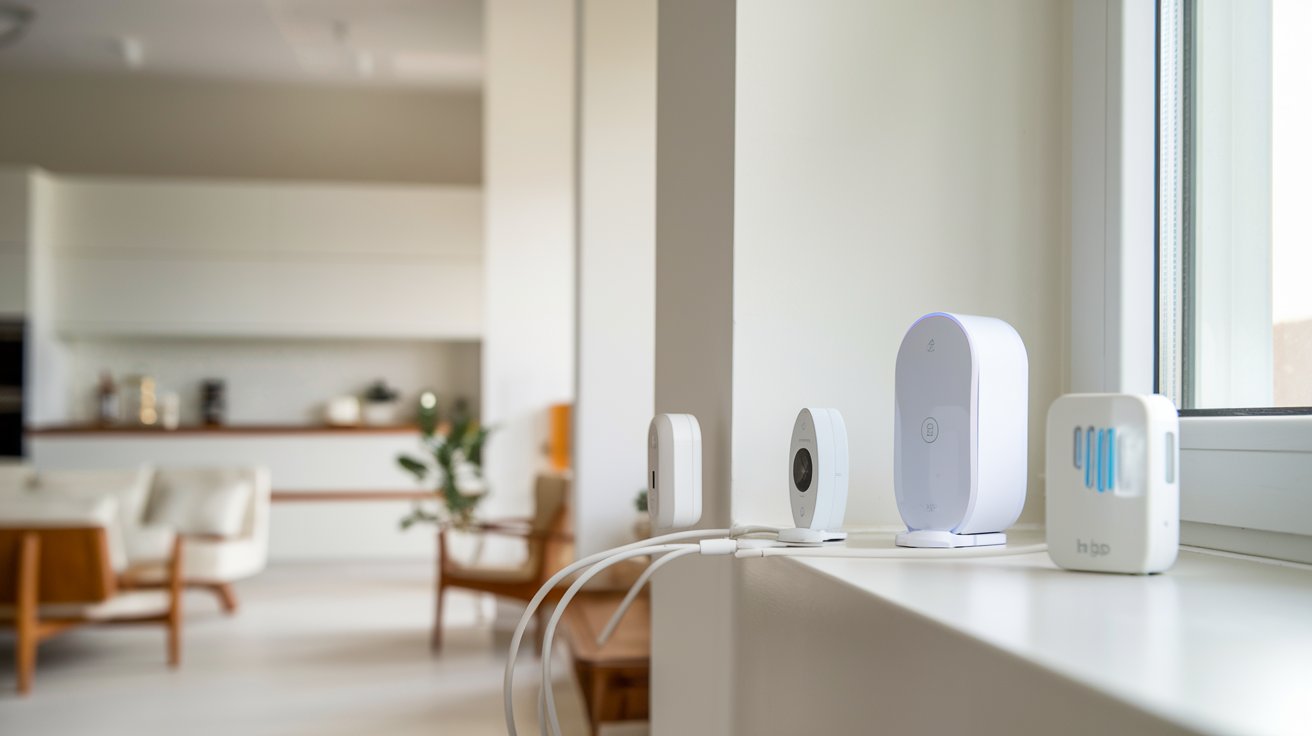
A temperature monitoring system is an essential smart home technology that allows homeowners to track indoor climate conditions remotely using smartphones, sensors, and automated alerts. These systems have become increasingly popular in the United States, with over 35% of households now using some form of smart temperature monitoring as of 2024.
What is a Temperature Monitoring System
A temperature monitoring system is a network of sensors and connected devices that continuously track ambient temperature levels in residential or commercial spaces. Modern systems integrate with smartphones and home automation platforms, providing real-time data and customizable alerts when temperatures exceed preset thresholds.
These systems typically consist of wireless sensors, a central hub or gateway, and mobile applications that enable remote monitoring temperature conditions. The technology has evolved significantly since 2020, with current systems offering accuracy within 0.1°F and battery life extending up to 5 years for premium models.
Temperature Monitoring System for Home Applications
Residential applications of temperature monitoring systems have expanded dramatically across American households. These systems serve multiple purposes beyond basic climate control, including energy optimization, HVAC maintenance scheduling, and protecting valuable items sensitive to temperature fluctuations.
Modern residential temperature monitoring systems can manage multiple zones simultaneously, with some advanced models supporting up to 50 individual sensors throughout a single property. Popular brands like Nest, Ecobee, and SensorPush have captured significant market share, with installations growing by 42% annually since 2023.
Smart Home Integration Features
Contemporary temperature monitoring systems for home use integrate seamlessly with popular smart home ecosystems including Google Home, Amazon Alexa, and Apple HomeKit. This integration allows voice commands, automated routines, and cross-device communication that enhances overall home automation efficiency.
Energy Efficiency Benefits
Homeowners using temperature monitoring systems for house applications report average energy savings of 15-23% annually. These systems optimize HVAC operation by providing precise temperature data, enabling more efficient heating and cooling cycles that reduce utility costs significantly.
How to Monitor House Temperature While Away
Remote temperature monitoring has become a standard expectation for American homeowners, with smartphone applications providing instant access to real-time temperature data from anywhere with internet connectivity. Modern systems send push notifications, emails, or text messages when temperature anomalies occur.
The process involves installing wireless sensors in key locations, connecting them to a central hub with Wi-Fi capability, and downloading the manufacturer’s mobile application. Most systems complete setup within 15-30 minutes and begin providing data immediately after configuration.
Mobile App Capabilities
Leading temperature monitoring system applications offer comprehensive features including historical data visualization, customizable alert thresholds, multiple location management, and family sharing options. Premium applications also provide weather integration and predictive analytics for optimal comfort management.
Remote Access Requirements
To check house temperature remotely, systems require stable internet connectivity and compatible mobile devices. Most current systems support both iOS and Android platforms, with minimum operating system requirements typically being iOS 12.0 or Android 8.0 for optimal functionality.
Temperature Monitoring System with Alarm Functions
Alert capabilities represent crucial functionality in modern temperature monitoring systems with alarm features. These systems can detect dangerous temperature fluctuations that might indicate HVAC failures, frozen pipes, or fire hazards, potentially preventing thousands of dollars in property damage.
Advanced alarm systems provide multiple notification methods including smartphone alerts, email notifications, text messages, and integration with home security systems. Some premium models even connect with local monitoring services that can dispatch emergency responders when extreme temperature conditions occur.
Professional Temperature Monitoring Applications
Beyond residential use, temperature monitoring systems serve critical functions in professional environments including pharmacies, laboratories, and medical facilities. These applications require higher accuracy standards and more robust documentation capabilities for regulatory compliance.
A temperature monitoring system pharmacy must meet FDA requirements for medication storage, typically maintaining accuracy within ±0.5°F and providing continuous data logging for audit purposes. Similarly, laboratory systems require precise environmental control for research integrity and sample preservation.
Compliance Requirements
Professional temperature monitoring systems must adhere to specific industry standards such as FDA CFR Title 21, ISO 17025 for laboratories, and CDC guidelines for vaccine storage. These regulations mandate continuous monitoring, data integrity, and alarm response protocols.
Data Documentation Features
Commercial-grade systems provide automated report generation, data export capabilities, and cloud-based storage for long-term record keeping. These features ensure compliance with regulatory requirements while simplifying audit preparation and quality assurance processes.
DIY Temperature Monitoring System Project
Technology enthusiasts can create custom temperature monitoring system projects using platforms like Arduino, Raspberry Pi, or ESP32 microcontrollers. These DIY solutions offer complete customization but require programming knowledge and electronic assembly skills.
Popular project configurations include wireless sensor networks using LoRaWAN technology, cloud integration through AWS IoT or Google Cloud, and custom mobile applications. Component costs typically range from $50-200 depending on sensor quantity and feature complexity.
Using Smartphone as Thermometer
While smartphones contain internal temperature sensors, they’re designed for device thermal management rather than ambient temperature measurement. However, several mobile applications attempt to use smartphone sensors for approximate temperature readings, though accuracy limitations make them unsuitable for precise monitoring applications.
Dedicated external sensors that connect via Bluetooth or Wi-Fi provide significantly more accurate results when paired with smartphone applications. These hybrid solutions combine the convenience of smartphone interfaces with the precision of purpose-built temperature sensors.
PC-Based Temperature Monitoring Systems
Computer-based temperature monitoring systems offer advanced data analysis capabilities and integration with building management systems. These solutions typically serve larger facilities or users requiring extensive data processing and custom reporting functionality.
Modern PC systems support hundreds of sensors simultaneously and provide sophisticated analytics including trend analysis, predictive maintenance scheduling, and energy optimization recommendations. Software platforms like LabVIEW, SCADA systems, and custom database solutions power these comprehensive monitoring networks.
Choosing the Right Temperature Monitoring Solution
Selection criteria for temperature monitoring systems include accuracy requirements, connectivity options, power source preferences, and budget considerations. Residential users typically prioritize ease of installation and smartphone integration, while commercial applications focus on compliance features and data management capabilities.
Leading manufacturers in the United States market include SensorPush, Govee, AcuRite, and Temp Stick, each offering different feature sets and price points. Premium systems cost $200-500 per monitoring zone, while basic residential solutions start around $30-50 per sensor.
Related video about temperature monitoring system
This video complements the article information with a practical visual demonstration.
Everything you need to know about temperature monitoring system
How can I monitor my house temperature while away?
Install a wireless temperature monitoring system with Wi-Fi connectivity and smartphone app integration. Popular options include SensorPush, Govee, and Temp Stick sensors that send real-time alerts and data to your mobile device from anywhere with internet access. Most systems complete setup in under 30 minutes.
Can I use my smartphone as a thermometer?
Smartphones contain internal temperature sensors primarily for device thermal management, not ambient temperature measurement. While apps exist that attempt this, accuracy is limited. For reliable temperature monitoring, use dedicated external sensors that connect to smartphone apps via Bluetooth or Wi-Fi for much better precision.
What is a temperature monitoring system?
A temperature monitoring system is a network of sensors and connected devices that continuously track ambient temperature levels in homes or businesses. Modern systems include wireless sensors, smartphone apps, and automated alerts that notify users when temperatures exceed preset thresholds, helping prevent property damage and optimize energy usage.
Can I check the temperature in my house with my phone?
Yes, by installing a smart temperature monitoring system with mobile app connectivity. These systems use dedicated sensors placed throughout your home that transmit data to smartphone applications, allowing real-time temperature checking from anywhere. Popular brands offer iOS and Android apps with push notifications and historical data tracking.
| System Type | Key Features | Primary Benefit |
|---|---|---|
| Residential Monitoring | Smartphone alerts, energy optimization, HVAC integration | 15-23% energy savings and property protection |
| Professional Systems | Regulatory compliance, data logging, audit trails | FDA/CDC compliance and quality assurance |
| DIY Projects | Complete customization, programming flexibility, low cost | Tailored functionality and learning experience |
| PC-Based Solutions | Advanced analytics, multiple sensors, building integration | Comprehensive facility management and predictive maintenance |