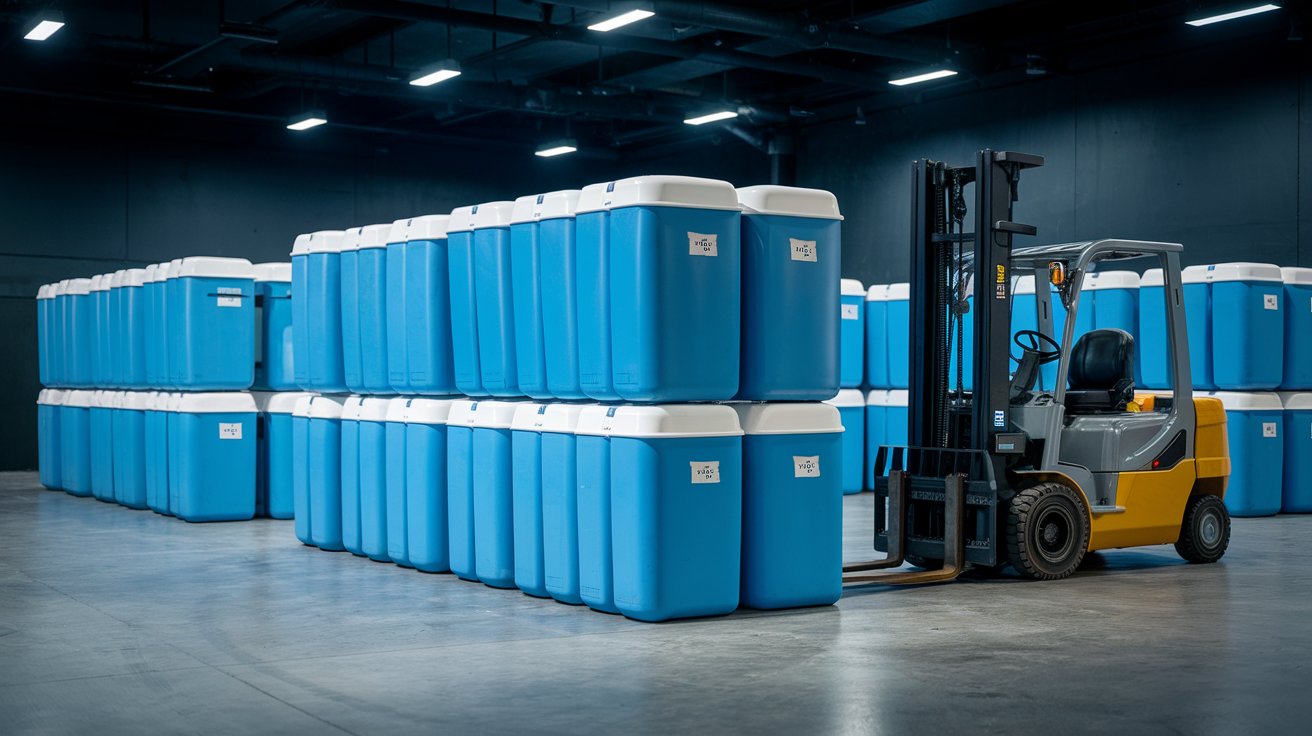
Effective cold storage temperature monitoring systems protect billions of dollars worth of pharmaceuticals, vaccines, and food products across the United States. Modern monitoring solutions combine wireless sensors, cloud-based data logging, and real-time alerts to ensure regulatory compliance while preventing costly product losses from temperature excursions.
Essential Components of Cold Storage Temperature Monitoring Systems
Professional cold storage temperature monitoring relies on interconnected components that work seamlessly together. Modern systems integrate wireless sensors, data loggers, cloud platforms, and automated alert mechanisms to create comprehensive monitoring networks. These systems must meet stringent FDA, CDC, and USP requirements while providing 24/7 surveillance of critical storage environments.
The foundation of any reliable system starts with precision sensors capable of measuring temperatures within ±0.5°C accuracy. Temperature monitoring systems deployed in 2025 utilize advanced calibration protocols and NIST-traceable standards to ensure measurement integrity. Cloud connectivity enables real-time data transmission, while backup power systems maintain continuous operation during power outages.
Wireless Sensors and Data Loggers
Modern cold chain temperature monitoring devices feature wireless connectivity, extended battery life, and multi-point sensing capabilities. These sensors transmit data every 1-15 minutes depending on application requirements, with pharmaceutical-grade units offering sub-degree accuracy. Advanced data loggers store up to 500,000 readings locally while simultaneously uploading to cloud platforms for redundant data protection.
Cloud-Based Monitoring Platforms
Cloud monitoring platforms aggregate data from multiple sensors, enabling centralized oversight of distributed storage facilities. These cold storage temperature monitoring software solutions provide customizable dashboards, automated reporting, and integration with existing facility management systems. Enterprise platforms support thousands of sensors across multiple locations, offering scalability for growing operations.
Regulatory Compliance and Industry Standards
United States healthcare and pharmaceutical industries operate under strict regulatory frameworks governing temperature-sensitive product storage. The CDC’s Vaccine Storage and Handling Toolkit requires continuous temperature monitoring with immediate alerts for any excursions outside 2°C to 8°C ranges. Vaccine temperature monitoring devices must provide documented evidence of storage compliance throughout the entire cold chain.
FDA regulations mandate that pharmaceutical companies maintain detailed temperature records for drug stability studies and commercial storage. Cold chain monitoring vaccine protocols require 24/7 monitoring with automated documentation systems that generate compliance reports. Non-compliance can result in product recalls, FDA warnings, and significant financial penalties exceeding millions of dollars.
FDA and CDC Requirements
Federal regulations specify exact temperature ranges, monitoring frequencies, and documentation requirements for different product categories. Cold chain temperature for vaccines must remain between 2°C and 8°C, with continuous monitoring and immediate corrective actions for any deviations. The CDC requires healthcare providers to maintain temperature logs with readings taken at least twice daily during business hours.
USP Standards and Good Distribution Practices
United States Pharmacopeia standards define specific requirements for pharmaceutical cold storage monitoring. GDP guidelines mandate that temperature monitoring systems provide continuous surveillance, automated alerts, and comprehensive audit trails. These standards ensure product integrity throughout distribution networks spanning warehouses, transportation, and retail locations.
Real-Time Monitoring and Alert Systems
Advanced alert systems form the critical safety net preventing product losses from temperature excursions. Modern cold storage temperature monitoring platforms send instant notifications via SMS, email, and mobile app alerts when temperatures deviate from acceptable ranges. Multi-tier escalation protocols ensure appropriate personnel receive alerts even during off-hours, holidays, and emergency situations.
Intelligent alert systems distinguish between brief fluctuations and sustained temperature excursions requiring immediate intervention. Cold storage temperature monitoring app solutions enable facility managers to acknowledge alerts, initiate corrective actions, and document response procedures directly from mobile devices. Response times under 15 minutes are typical for critical pharmaceutical and vaccine storage facilities.
Mobile Applications and Remote Access
Mobile applications revolutionize how facility managers interact with temperature monitoring systems. Modern cold storage temperature monitoring app platforms provide real-time data visualization, alert management, and remote system control from smartphones and tablets. These applications enable immediate response to temperature excursions regardless of location, significantly reducing product loss risks.
Advanced mobile platforms integrate with facility management systems, enabling users to adjust setpoints, acknowledge alarms, and generate compliance reports remotely. GPS integration allows shipping temperature monitoring device solutions to track product locations during transport while maintaining continuous temperature surveillance. Cloud synchronization ensures data consistency across multiple devices and user accounts.
Dashboard Features and Data Visualization
Interactive dashboards present complex temperature data through intuitive charts, graphs, and heat maps. Users can customize views to focus on specific storage areas, time periods, or product categories. Temperature monitoring system dashboards integrate with business intelligence tools, enabling advanced analytics and predictive maintenance scheduling for refrigeration equipment.
Report Generation and Export Capabilities
Automated reporting systems generate compliance documentation required for regulatory audits and quality assurance programs. These reports include statistical summaries, excursion analysis, and calibration records formatted according to industry standards. Export capabilities support integration with existing quality management systems and regulatory submission platforms.
Transportation and Shipping Monitoring
Cold chain integrity during transportation requires specialized monitoring solutions designed for mobile environments. Shipping temperature monitoring device systems must withstand vibration, varying ambient conditions, and limited power availability while maintaining accurate temperature measurement. These devices often incorporate GPS tracking, enabling real-time location monitoring alongside temperature surveillance.
Transportation monitoring systems generate detailed chain-of-custody documentation required for pharmaceutical and vaccine shipments. Advanced devices feature multi-zone monitoring capabilities, enabling simultaneous surveillance of different product types within the same transport vehicle. Battery life exceeding 30 days ensures continuous monitoring throughout extended shipping cycles and storage periods.
Installation and System Integration
Professional installation ensures optimal sensor placement and system performance throughout cold storage facilities. Cold chain temperature monitoring devices require strategic positioning to accurately represent storage environment conditions while avoiding interference from air circulation systems and door openings. Certified technicians perform site surveys to determine optimal sensor quantities and locations based on facility size and product distribution.
Integration with existing facility management systems enables centralized monitoring and automated responses to temperature excursions. Modern systems communicate through standard protocols including Ethernet, WiFi, and cellular networks, ensuring compatibility with diverse IT infrastructures. Temperature monitoring system installations typically include backup power supplies, redundant communication paths, and disaster recovery procedures to maintain continuous operation.
Site Survey and Sensor Placement
Professional site surveys identify optimal sensor locations based on airflow patterns, storage density, and equipment placement. Proper sensor positioning ensures representative temperature measurement while minimizing interference from facility operations. Installation teams document sensor locations and provide detailed facility maps for regulatory compliance and maintenance purposes.
Network Configuration and Security
Secure network configuration protects sensitive temperature data while ensuring reliable connectivity. Modern cold storage temperature monitoring software implements enterprise-grade encryption, multi-factor authentication, and role-based access controls. Network redundancy through cellular and ethernet connections maintains connectivity during primary network outages.
Cost Analysis and Return on Investment
Investment in professional cold storage temperature monitoring systems delivers measurable returns through reduced product losses, improved regulatory compliance, and operational efficiency gains. Industry studies indicate that comprehensive monitoring systems prevent product losses worth 10-50 times their initial investment cost. Pharmaceutical facilities report average savings exceeding $500,000 annually through early detection of refrigeration system failures.
Operating costs for modern monitoring systems remain minimal due to wireless connectivity, cloud-based infrastructure, and automated maintenance procedures. Cold chain monitoring vaccine implementations typically achieve full return on investment within 12-18 months through prevented product losses and improved operational efficiency. Enterprise-scale deployments benefit from economies of scale, reducing per-sensor costs while expanding monitoring coverage.
Related video about cold storage temperature monitoring
This video complements the article information with a practical visual demonstration.
Essential Q&A about cold storage temperature monitoring
What temperature range is required for vaccine cold storage monitoring?
Vaccine cold storage requires continuous monitoring between 2°C and 8°C (36°F to 46°F) according to CDC guidelines. Temperature monitoring systems must provide immediate alerts for any deviations outside this range, with documented corrective actions taken within 15 minutes of detection.
How often should cold storage temperatures be monitored and recorded?
Professional cold storage temperature monitoring systems record readings continuously, typically every 1-5 minutes. Regulatory requirements mandate minimum twice-daily manual readings during business hours, but automated systems provide superior protection through 24/7 surveillance and immediate alert capabilities.
What are the consequences of cold storage temperature excursions?
Temperature excursions can result in complete product loss, regulatory violations, FDA warnings, and potential patient safety issues. Financial losses often exceed hundreds of thousands of dollars for pharmaceutical facilities, making professional temperature monitoring systems essential for risk mitigation.
Can cold storage monitoring systems work during power outages?
Modern cold storage temperature monitoring systems include backup battery systems providing 24-72 hours of continuous operation during power outages. Cellular connectivity ensures alert notifications continue functioning even when facility internet connections are disrupted, maintaining critical monitoring capabilities.
How do mobile apps enhance cold storage temperature monitoring?
Mobile applications enable real-time monitoring, instant alert notifications, and remote system management from smartphones and tablets. Facility managers can acknowledge alarms, initiate corrective actions, and generate compliance reports from any location, significantly improving response times to temperature excursions.
What calibration requirements exist for cold storage monitoring sensors?
Professional temperature monitoring sensors require annual calibration using NIST-traceable standards to maintain ±0.5°C accuracy. Calibration documentation must be maintained for regulatory compliance, with many systems providing automated calibration reminders and certificate management capabilities.
| Monitoring Aspect | Requirements | Benefits |
|---|---|---|
| Temperature Range | 2°C to 8°C for vaccines, ±0.5°C accuracy | Regulatory compliance, product integrity |
| Monitoring Frequency | Continuous automated readings every 1-5 minutes | Early detection, immediate alerts |
| Alert Systems | Multi-channel notifications, 24/7 coverage | Rapid response, minimized losses |
| Documentation | Automated reporting, audit trails | Compliance assurance, quality control |
| Mobile Access | Real-time apps, remote monitoring | Operational flexibility, faster response |