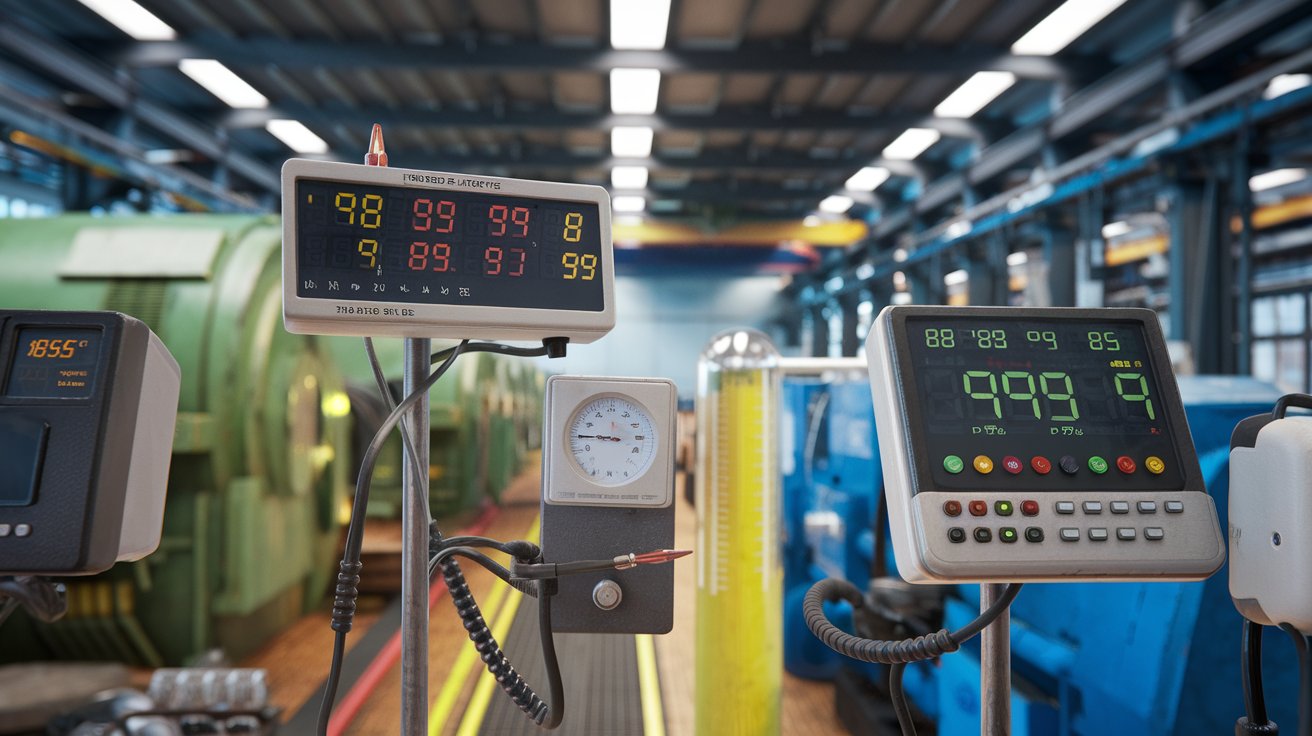
An industrial temperature monitoring system is a critical infrastructure component that continuously tracks temperature variations across manufacturing facilities, warehouses, and processing plants. These sophisticated systems prevent equipment failures, ensure product quality, and maintain regulatory compliance across diverse industrial sectors in the United States. Modern solutions integrate wireless connectivity, real-time alerts, and comprehensive data logging capabilities to optimize operational efficiency.
Types of Industrial Temperature Monitoring Systems
Industrial temperature monitoring systems are categorized into several distinct types based on connectivity, deployment method, and application scope. Wired systems remain popular for permanent installations where reliability is paramount, while wireless solutions offer flexibility for dynamic environments. The choice between system types significantly impacts installation costs, maintenance requirements, and long-term scalability for US manufacturing facilities.
According to 2024 industry data, approximately 68% of US industrial facilities have upgraded to digital monitoring systems, with wireless temperature monitoring systems accounting for 42% of new installations. These systems provide real-time data transmission, reducing manual inspection requirements and enabling predictive maintenance strategies that save an average of $47,000 annually per facility.
Wired Temperature Monitoring Solutions
Wired industrial temperature monitoring systems utilize hardwired connections through RS-485, Ethernet, or proprietary communication protocols. These systems excel in environments where electromagnetic interference poses challenges for wireless transmission. Installation typically requires professional electrical work, but provides uninterrupted data flow with minimal latency for critical process control applications throughout US industrial facilities.
Industrial Wireless Temperature Monitoring Systems
Industrial wireless temperature monitoring systems leverage technologies like LoRaWAN, Zigbee, and cellular networks to transmit data without physical connections. These solutions reduce installation complexity by up to 70% compared to wired alternatives and enable monitoring in previously inaccessible locations. Battery-powered sensors typically operate for 2-5 years depending on transmission frequency and environmental conditions.
Key Components and Hardware Requirements
A comprehensive industrial temperature monitoring system comprises multiple interconnected components working together to ensure accurate data collection and reliable operation. Temperature sensors form the foundation, ranging from basic thermistors to precision RTD sensors capable of ±0.1°C accuracy. Data acquisition modules process analog signals and convert them to digital formats for transmission and storage.
Modern systems incorporate edge computing capabilities through programmable controllers that enable local decision-making and reduce network bandwidth requirements. Remote temperature monitoring systems typically include redundant communication pathways to ensure continuous operation even during primary network failures, a critical requirement for US industrial compliance standards.
Temperature Sensors and Accuracy Standards
Temperature monitoring devices employ various sensor technologies including thermocouples, RTD sensors, and thermistors, each offering distinct advantages for specific applications. Thermocouples provide wide temperature ranges (-200°C to +1800°C) with rapid response times, while RTD sensors deliver superior accuracy and stability for precision applications. US industrial standards typically require ±1°C accuracy for general monitoring and ±0.5°C for critical processes.
Data Acquisition and Processing Units
Advanced data acquisition controllers integrate multiple sensor inputs with programmable logic capabilities, enabling local alarm generation and automated responses. These units typically feature 16-bit or 24-bit analog-to-digital converters for precise temperature measurement and support various communication protocols including Modbus, BACnet, and SNMP for seamless integration with existing industrial temperature monitoring systems.
WiFi Temperature Monitoring System Integration
WiFi temperature monitoring systems have gained significant traction in US industrial facilities due to their ease of deployment and integration with existing IT infrastructure. These systems leverage standard 802.11 wireless networks to transmit temperature data directly to cloud-based platforms or local servers. Installation time is reduced by approximately 60% compared to wired solutions, with typical deployment completed within 2-3 days for medium-sized facilities.
Security considerations for WiFi temperature monitoring systems include WPA3 encryption, VPN tunneling, and network segmentation to protect sensitive operational data. Many US manufacturers implement dedicated IoT networks to isolate monitoring traffic from corporate systems, ensuring both security and performance optimization for critical temperature monitoring applications.
Remote Temperature Monitoring via Cell Phone Technology
Remote temperature monitoring via cell phone technology represents the cutting edge of industrial monitoring solutions, enabling facility managers to receive real-time alerts and access historical data from anywhere in the United States. Cellular connectivity eliminates dependence on local WiFi networks and provides redundant communication pathways for mission-critical applications. LTE-M and NB-IoT networks specifically designed for IoT applications offer extended battery life and improved building penetration.
Mobile applications for remote temperature monitoring systems typically provide push notifications, graphical trend analysis, and configurable alarm thresholds. Advanced features include GPS-based geofencing, multi-site management, and integration with enterprise resource planning systems. Battery-powered cellular sensors can operate for 3-7 years depending on reporting frequency and environmental conditions.
Cellular Network Coverage and Reliability
US cellular coverage for industrial temperature monitoring systems exceeds 99.2% in populated areas, with major carriers offering dedicated IoT data plans starting at $2-5 per device monthly. Network redundancy through multi-carrier support ensures continuous connectivity even during local network outages. LTE-M technology provides improved building penetration compared to traditional cellular, making it ideal for indoor industrial monitoring applications.
Mobile App Features and User Interface
Professional mobile applications for remote temperature sensor management offer real-time dashboards, customizable alert settings, and comprehensive reporting capabilities. Users can configure temperature thresholds, schedule automated reports, and receive SMS or email notifications within 30 seconds of threshold violations. Advanced apps include machine learning algorithms that predict equipment failures based on temperature trends and environmental patterns.
Application-Specific Implementation Strategies
Different industrial sectors require customized approaches to industrial temperature monitoring system implementation based on regulatory requirements, environmental conditions, and operational priorities. Pharmaceutical manufacturing demands FDA-validated systems with 21 CFR Part 11 compliance, while food processing facilities focus on HACCP requirements and cold chain maintenance. Each sector presents unique challenges that influence sensor selection, data logging frequency, and alarm configuration.
Implementation strategies for temperature monitoring systems in US industrial facilities typically follow a phased approach, beginning with critical areas and expanding coverage based on ROI analysis. Success rates improve by 34% when implementation includes comprehensive staff training and clear standard operating procedures for system maintenance and alarm response.
Manufacturing and Production Facilities
Manufacturing environments require robust industrial temperature monitoring systems capable of withstanding harsh conditions including dust, vibration, and electromagnetic interference. Temperature monitoring in production lines typically focuses on equipment health monitoring, product quality assurance, and energy efficiency optimization. Sensor placement strategies must consider heat sources, airflow patterns, and accessibility for maintenance while ensuring comprehensive coverage of critical areas.
Cold Storage and Shipping Applications
Temperature monitoring devices for shipping require portable, battery-powered solutions with extended operating life and shock resistance. GPS-enabled loggers track location and temperature simultaneously, providing complete cold chain documentation for pharmaceutical, food, and chemical shipments. These systems must comply with DOT regulations for hazardous materials transport and FDA requirements for drug distribution throughout the United States.
Cost Analysis and Return on Investment
Initial investment for comprehensive industrial temperature monitoring systems ranges from $15,000 to $150,000 depending on facility size, sensor count, and communication infrastructure requirements. Wireless systems typically cost 20-30% more upfront but reduce installation labor costs by 50-70%. Total cost of ownership analysis over five years shows wireless solutions providing superior ROI in facilities requiring more than 50 monitoring points.
Operational savings from remote temperature monitoring systems include reduced manual inspection costs, prevented equipment failures, and improved energy efficiency. US industrial facilities report average annual savings of $32,000 from predictive maintenance enabled by continuous temperature monitoring, with payback periods typically ranging from 18-36 months depending on system complexity and facility size.
Regulatory Compliance and Industry Standards
US regulatory requirements for industrial temperature monitoring systems vary by industry sector, with pharmaceutical, food processing, and chemical manufacturing facing the most stringent standards. FDA regulations require validated temperature monitoring for drug storage and manufacturing, while USDA guidelines govern food safety applications. Compliance documentation must include calibration certificates, validation protocols, and audit trails for regulatory inspections.
Industry standards such as NIST traceability, ISO 9001 quality management, and cGMP compliance directly impact temperature monitoring system design and implementation. Third-party validation services cost $5,000-15,000 for initial qualification but ensure regulatory compliance and reduce audit findings. Annual recalibration requirements typically add 8-12% to total system operating costs for regulated industries.
Future Technology Trends and Innovations
Artificial intelligence integration in industrial temperature monitoring systems enables predictive analytics that identify equipment failures 2-4 weeks before occurrence. Machine learning algorithms analyze historical temperature patterns, ambient conditions, and operational parameters to optimize energy consumption and extend equipment life. Edge computing capabilities reduce cloud dependency while enabling real-time decision-making at the sensor level.
Emerging technologies including 5G connectivity, digital twin modeling, and blockchain-based audit trails will transform industrial temperature monitoring capabilities throughout 2025-2027. These innovations promise to reduce operational costs by 25-40% while improving system reliability and regulatory compliance for US industrial facilities seeking competitive advantages through advanced monitoring technologies.
Related video about industrial temperature monitoring system
This video complements the article information with a practical visual demonstration.
FAQ – Common Questions
What is the typical accuracy range for industrial temperature monitoring systems?
Professional industrial temperature monitoring systems typically achieve accuracy ranges of ±0.5°C to ±1°C depending on sensor type and calibration standards. RTD sensors provide the highest accuracy at ±0.1°C for critical applications, while thermocouples offer ±1°C accuracy across wider temperature ranges. US industrial standards generally require ±1°C accuracy for general monitoring and ±0.5°C for regulated industries like pharmaceuticals.
How long do wireless temperature sensor batteries typically last?
Battery life for wireless industrial temperature sensors ranges from 2-7 years depending on transmission frequency, environmental conditions, and battery capacity. Sensors reporting every 15 minutes typically achieve 3-5 years of operation, while hourly reporting extends battery life to 5-7 years. Extreme temperatures, high humidity, and frequent alarm transmissions can reduce battery life by 20-30% below manufacturer specifications.
Can industrial temperature monitoring systems integrate with existing building automation systems?
Yes, modern industrial temperature monitoring systems support integration with major building automation protocols including BACnet, Modbus, SNMP, and OPC-UA. Integration enables centralized monitoring, automated HVAC responses, and comprehensive facility management. Most systems require configuration by certified technicians and may need protocol gateways for legacy system compatibility, with integration costs typically ranging from $2,000-8,000.
What are the key differences between WiFi and cellular temperature monitoring systems?
WiFi temperature monitoring systems require local network infrastructure and typically offer faster data transmission with lower recurring costs. Cellular systems provide independent connectivity anywhere in the US with LTE coverage but incur monthly data charges of $2-5 per sensor. WiFi systems excel for permanent installations with existing IT infrastructure, while cellular solutions are ideal for remote locations, mobile applications, and backup connectivity.
How do industrial temperature monitoring systems handle power outages?
Professional industrial temperature monitoring systems incorporate backup power through UPS systems, battery backup, or power-over-ethernet solutions. Battery backup typically provides 24-72 hours of operation during outages, while UPS systems can extend operation to several days. Cellular-connected sensors with internal batteries continue monitoring independently during facility power outages, ensuring continuous data collection and alarm notifications.
What maintenance is required for industrial temperature monitoring systems?
Regular maintenance includes annual sensor calibration, battery replacement for wireless sensors, software updates, and data backup verification. Calibration costs range from $50-200 per sensor depending on accuracy requirements and certification levels. Preventive maintenance schedules typically include quarterly system health checks, semi-annual communication testing, and annual full system validation for regulated industries, with total maintenance costs averaging 8-12% of initial system investment annually.
| System Type | Key Features | Primary Benefits |
|---|---|---|
| Wired Systems | Hardwired connectivity, high reliability, minimal latency | Maximum reliability for critical applications |
| Wireless Systems | Battery powered, flexible placement, reduced installation | 70% lower installation costs, easy expansion |
| WiFi Systems | Network integration, real-time data, remote access | Seamless IT integration, fast deployment |
| Cellular Systems | Independent connectivity, mobile alerts, nationwide coverage | Remote monitoring anywhere in US, redundant connectivity |