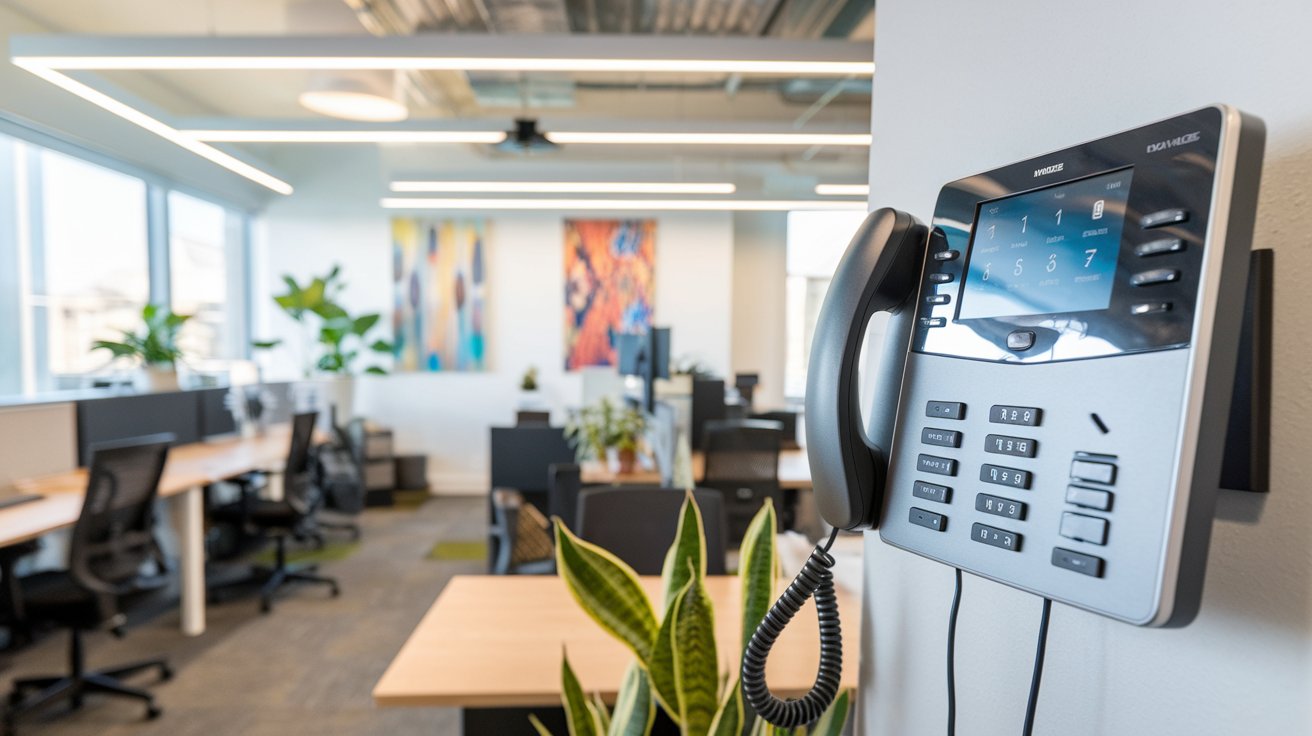
Choosing the right small business phone system is crucial for maintaining professional communication and supporting growth. Modern phone systems offer advanced features like VoIP technology, multi-line capabilities, and cloud-based solutions that can significantly reduce operational costs while improving customer service quality.
What is the Best Phone System for a Small Business?
The best phone system for small business depends on your specific needs, budget, and growth plans. In 2025, VoIP systems dominate the market due to their flexibility and cost-effectiveness. Popular options include RingCentral, Nextiva, and Ooma, which offer comprehensive features starting at $15-25 per user monthly. These systems provide professional features like auto-attendant, call forwarding, voicemail-to-email, and mobile apps that keep your team connected anywhere.
Traditional landline business phone systems remain relevant for businesses requiring maximum reliability and those in areas with limited internet connectivity. However, most experts recommend hybrid solutions that combine the reliability of landlines with the advanced features of VoIP technology for optimal performance.
VoIP Small Business Phone Systems
VoIP small business phone systems use internet connectivity to transmit voice calls, offering significant cost savings and advanced features. Leading providers like 8×8, Grasshopper, and GoToConnect deliver enterprise-grade functionality at affordable prices. These systems typically include unlimited domestic calling, conference calling, call analytics, and integration with popular business software like CRM platforms.
Multi Line Phone Systems Small Business
Multi line phone systems small business solutions allow multiple simultaneous calls and extensions, essential for growing companies. Modern systems support 2-500+ lines with features like call queuing, hunt groups, and automated routing. Cloud-based multi-line systems offer scalability without requiring significant hardware investments, making them ideal for businesses planning expansion.
Small Business Phone System Cost Analysis 2025
Small business phone system cost varies significantly based on features, user count, and deployment method. VoIP systems typically range from $15-50 per user monthly, while traditional landline systems cost $25-75 per line. Cloud-based solutions eliminate hardware costs but require reliable internet, whereas on-premise systems involve higher upfront investment but offer more control.
Hidden costs include setup fees, porting charges, hardware expenses, and ongoing maintenance. Many providers offer small business phone system free trials ranging from 14-30 days, allowing businesses to test functionality before committing to long-term contracts.
Free and Low-Cost Options
Several providers offer small business phone system free basic plans or affordable starter packages. Google Voice provides free calling within the US, while services like FreePBX offer open-source solutions for tech-savvy businesses. However, free plans typically include limitations on features, call volume, and support quality.
ROI and Cost-Benefit Analysis
Investing in a quality phone system delivers measurable ROI through improved customer satisfaction, reduced missed calls, and enhanced team productivity. Studies show businesses using modern phone systems experience 23% faster response times and 18% higher customer retention rates compared to basic calling solutions.
How to Set Up a Phone System for Small Business
Setting up a small business phone system involves several key steps: assessing communication needs, choosing the right provider, planning number porting, configuring features, and training staff. Most VoIP providers offer guided setup processes with dedicated support teams to ensure smooth implementation within 1-3 business days.
Essential preparation includes evaluating current internet bandwidth, identifying required features, creating an organizational chart for extension assignments, and establishing call routing protocols. Professional installation services are available for complex setups, though many modern systems support DIY installation with comprehensive documentation.
Essential Features Every Small Business Phone System Needs
Modern business phone systems must include core features like professional voicemail, call forwarding, auto-attendant, and mobile connectivity. Advanced features such as call analytics, CRM integration, video conferencing, and team messaging have become standard expectations rather than premium add-ons in 2025.
Scalability remains crucial for growing businesses, requiring systems that support easy user addition, feature upgrades, and geographic expansion. Cloud-based solutions excel in this area, offering instant provisioning and flexible licensing models that adapt to changing business needs.
Mobile Integration and Remote Work Support
With remote work continuing to grow, phone systems must provide seamless mobile integration through dedicated apps and softphone capabilities. Leading systems offer call continuity between desk phones and mobile devices, ensuring professional communication regardless of location or device used.
Security and Compliance Features
Security features including call encryption, fraud protection, and compliance tools for industries like healthcare and finance are essential. Modern small business phone systems incorporate advanced security protocols, regular software updates, and monitoring tools to protect against cyber threats and ensure regulatory compliance.
Top Phone System Providers for Small Businesses 2025
Leading phone system providers offer competitive features, pricing, and support quality. RingCentral dominates the market with comprehensive functionality, while Nextiva excels in customer service. Smaller providers like Ooma and Grasshopper focus on simplicity and affordability for micro-businesses and startups.
When evaluating providers, consider factors like uptime guarantees, customer support quality, feature set comprehensiveness, integration capabilities, and total cost of ownership. Reading reviews on platforms like G2 and Capterra provides valuable insights into real-world performance and user satisfaction.
Phone Systems for Small Business Near Me: Local vs National Providers
Searching for phone systems for small business near me often reveals local providers offering personalized service and on-site support. However, national providers typically offer better pricing, more features, and superior reliability through redundant infrastructure and larger support teams.
Local providers excel in understanding regional business needs and providing hands-on installation and maintenance services. The choice between local and national providers depends on your priorities regarding cost, features, support preferences, and the importance of face-to-face service relationships.
Related video about small business phone system
This video complements the article information with a practical visual demonstration.
Important things to know about small business phone system
What is the most affordable small business phone system?
Google Voice and Ooma Office offer the most affordable options, with basic plans starting around $10-15 per user monthly. These systems provide essential features like voicemail, call forwarding, and mobile apps. However, consider total costs including setup fees and hardware when comparing providers.
Can I keep my existing business phone number?
Yes, most providers support number porting, allowing you to transfer existing business numbers to your new system. The process typically takes 3-7 business days and may involve a one-time porting fee of $15-25 per number. Ensure your current provider releases the number before initiating the transfer.
How reliable are VoIP phone systems compared to landlines?
Modern VoIP systems achieve 99.9% uptime when paired with reliable internet connections. While traditional landlines historically offered superior reliability, VoIP systems now match or exceed landline performance through redundant servers, automatic failover, and mobile backup options.
What internet speed do I need for VoIP phone systems?
VoIP systems require approximately 100 kbps of bandwidth per simultaneous call. For a small business with 5-10 employees, a minimum of 10 Mbps download and 2 Mbps upload speeds ensure quality voice transmission. Consider upgrading internet service before implementing VoIP solutions.
Do small business phone systems work during power outages?
VoIP systems depend on internet and power connectivity, making them vulnerable to outages. However, most modern systems offer mobile app backup, call forwarding to cell phones, and battery backup options. Traditional landlines continue working during power outages if using corded phones.
Can I integrate my phone system with other business software?
Yes, most modern phone systems offer integrations with popular CRM software, email platforms, and productivity tools. Common integrations include Salesforce, HubSpot, Microsoft Teams, and Slack. These connections enable features like click-to-dial, automatic call logging, and screen pop functionality.
| System Type | Monthly Cost Range | Key Benefits |
|---|---|---|
| VoIP Cloud System | $15-50 per user | Advanced features, scalability, mobile integration |
| Traditional Landline | $25-75 per line | Maximum reliability, power outage resistance |
| Hybrid Solution | $20-60 per user | Combines reliability with modern features |
| Free/Basic Plans | $0-15 per user | Budget-friendly with limited features |